
Know the real reason five people run out of hot water
If your geyser can't keep up with a house of five, the tank size might not be the problem at all. Here's how to tell.

By Zaid Petersen, Owner and master plumber
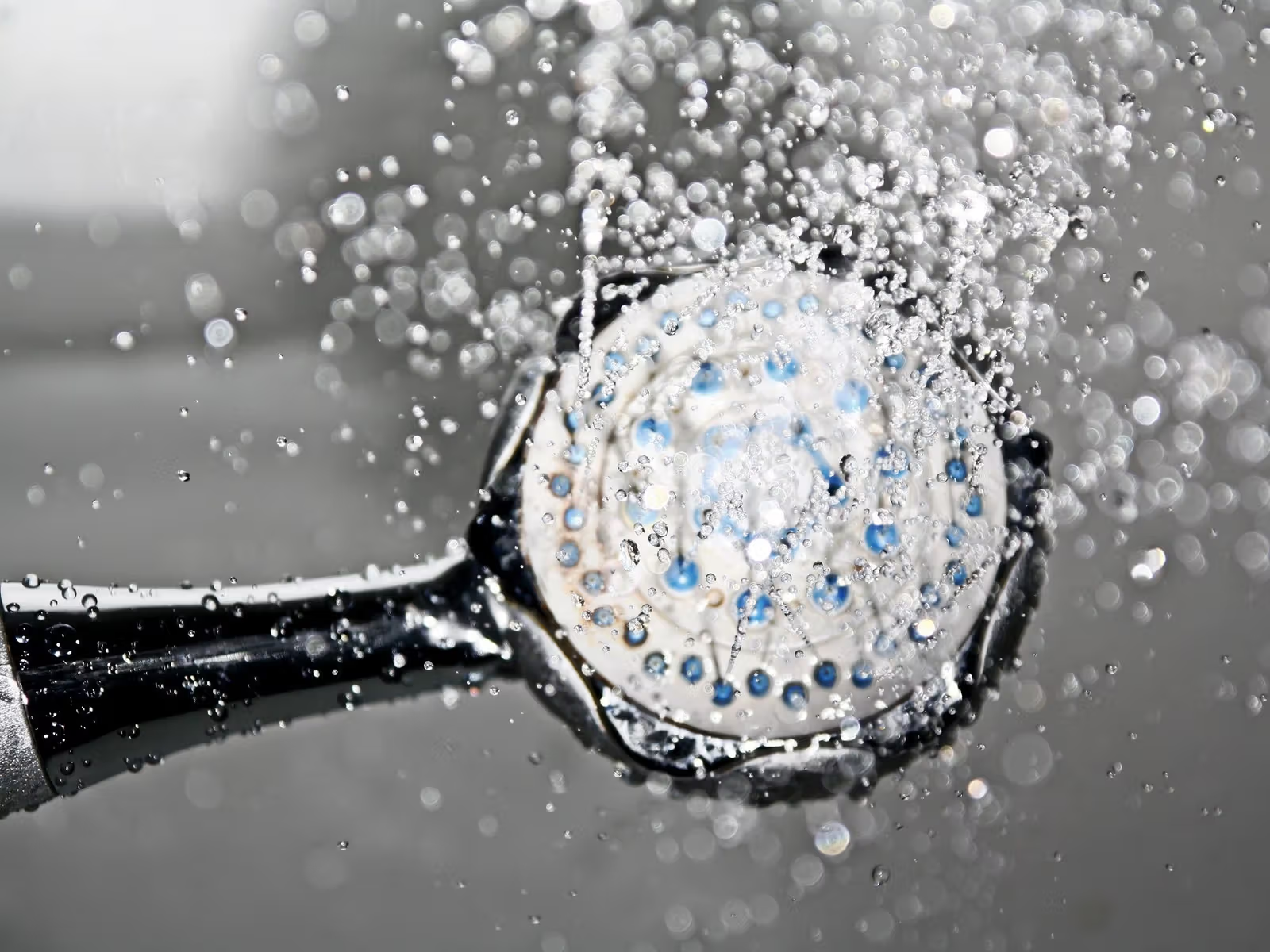
Most families of five do fine on a tank between 150 and 250 litres, but the right number depends on whether showers happen one after another or spread across the morning and how many bathrooms run at the same time. A household where everyone washes in the same short window needs more stored litres than one where showers are staggered, because a staggered household lets the tank reheat as it goes. Before sizing up to a bigger tank, it's worth checking that the current element and thermostat are working properly, since a fault there can look exactly like an undersized geyser.
The real reason five people run out of hot water isn't always the tank
A worn element or a dropped thermostat can look exactly like a geyser that's too small. Both leave the last person in a cold shower. The difference matters, because one is a R1 000 fix and the other is a whole new tank.
Here's what often happens in older Fish Hoek and Kalk Bay homes. The geyser heats fine for the first two showers, then runs cold halfway through the third. Everyone assumes the 150 litre tank is simply too small for the family. Sometimes that's true. Often it isn't.
An element furred up with scale heats the water slowly. Slow heating means the tank can't recover between showers. A thermostat that's quietly slipped down to 50 degrees holds less usable hot water. The same tank that coped last winter now runs short.
Worth knowing: you can test this before spending a cent on a bigger geyser. Check the thermostat setting first, then feel how long the tank takes to reheat after a shower. A healthy geyser recovers in an hour or two. If yours takes all morning, the element is tired, not undersized.
How many litres a household of five actually needs, step by step
- Count the people who shower or bath on a normal morning. For a family of five, that's usually five but weekends and guests shift it.
- Work out how many bathrooms run at the same time. Two bathrooms both going before work pulls hot water twice as fast as one.
- Add up a rough litre figure per person. A short shower uses about 40 litres. A bath uses closer to 80. Five short showers is roughly 200 litres of hot water.
- Check your shower timing. If everyone showers inside the same 40 minutes, the tank can't reheat in between, so you need to store the full peak demand at once.
- If showers spread across the morning, the geyser reheats as it goes, so you can store less and let recovery do the work.
- Match the total to a tank. a well-spaced family of five often copes on 150 to 200 litres, while a two-bathroom, same-time household leans towards 250 litres or more.
- Before you size up, confirm the current element and thermostat are sound, so you're sizing for real demand and not covering for a fault.
Why gas geysers are sized by flow rate, not storage litres
Here's the real difference. Gas geysers don't hold water, so litres tell you nothing. A gas unit is sized by flow rate, measured in litres per minute. That's how much hot water it can push out while it's running, not how much it has stored.
Flow rate changes the whole sum. A storage tank runs cold when the stored litres are gone. A gas geyser never stores anything, so it won't run out mid-shower. It can run short on pressure though, when two showers open at once and the flow has to split between them.
For a family of five, the question becomes how many taps run together, not how many litres sit in a tank. A 16 litre per minute unit handles one strong shower comfortably. Two bathrooms at once wants more. Picking between the two systems means comparing different things entirely. That's where many people buy the wrong fix.
If you're weighing gas against electric, our guide to choosing a geyser walks through fuel type, household use and where the unit will physically go. It helps you match the system to how your house actually runs.
What Cape Town's winter and compliance rules add to the sizing decision
Cape Town winters make your geyser work harder. Sizing that holds up in February can fall short in July. Water off the mountain runs colder. The element has to lift it further to reach shower heat. A tank that recovered in an hour in summer takes longer in the cold months.
There's paperwork too. A geyser replacement in Cape Town must be notified to the City. That's usually at least two working days before the inspection. It needs sign-off with a certificate of approval, done by a qualified registered plumber. The install has to meet proper plumbing standards, covering the tray, the safety valves and the overflow routing, not just the tank itself. We're also an IOPSA Member.
In practice, the sizing choice and the compliance work belong together. The right litres mean nothing if the pressure valve isn't rated for your supply.
Hot water running out is the push, but winter is the quiet deadline. Most burst-geyser calls land on the coldest nights. That's when the old tank gives up under the extra load. Sort the size and the certificate before the cold sets in and you choose calmly. No scrambling at 11pm with water on the floor.
Frequently asked questions

Is a 50 gallon hot water heater actually enough for a family of five?
A 50 gallon tank is close to 190 litres, so it can be enough but it depends on how your showers are spaced out. If everyone washes inside the same half hour, that size can run short. If showers spread across the morning, the tank gets time to reheat between turns and copes better than the litres alone suggest.
Which gas geyser is the best one to buy in South Africa?
There isn't one best gas geyser for every house. The right one depends on your fuel type, how many taps run at once and where the unit can go, so it's worth checking those points for your own home before you decide.
How many people can comfortably shower off a 100 litre geyser?
A 100 litre tank usually covers two or three short showers before it needs time to reheat. For a family of five showering close together, that's often too tight. Spread the showers out over the morning and the same tank can stretch further.
Will a plumber rush the job because they're already thinking about the next one?
We don't rush a geyser job to get to the next one. Getting the sizing and the compliance work right matters more to us than moving on fast, because a rushed install is the kind of thing that comes back to bite you in winter.
Will I be overcharged for something as simple as replacing a geyser element?
What an element replacement costs depends on the element type, how easy the geyser is to get to and whether anything else turns up once it's open, like a scaled tank or a tired thermostat. The honest way to know is to get it looked at and priced before any work starts, so there's no surprise on the bill.
Will the plumber actually turn up when they say they will?
That's exactly the kind of worry we understand, especially if you've been let down before. We can't speak for every plumber, but turning up when we say we will is the standard we hold ourselves to, because a no-show just adds another cold shower to your morning.
Ready when you are
For more on this, see Choosing a geyser. If you would like to talk it through, get in touch.