
Find a Hidden Water Leak Before It Costs You More
How do you find a water leak you cannot see? It can hide behind a wall or creep under a floor and the first sign is often a higher water bill.
We reply on the same working day.
A leak you can't see still does damage and still costs money
A leak you can't see is still doing harm, moving quietly behind a wall or under the floor. By the time a damp patch shows, the wood underneath may already be swollen and soft.
Money is the part most people miss. A slow drip runs day and night, so your bill climbs while nothing looks wrong on the surface. If you suspect water is going somewhere it shouldn't, How to tell if your house has a hidden water leak walks you through a free meter test you can do yourself.
Here's the other common mix-up. People assume a higher bill is just a bad month, then fret over who foots it, when the real question is where the money should land. Who pays when a leak pushes up your water bill sets out whether that cost lands on you, a tenant or the City and how a rebate works.
Start where your worry sits. Not sure a leak is even there? Begin with the meter test. Already certain, but staring at a scary bill? Read the one on who pays. These guides inform you, but they don't replace a plumber on-site when water is on the floor.
Start here
-
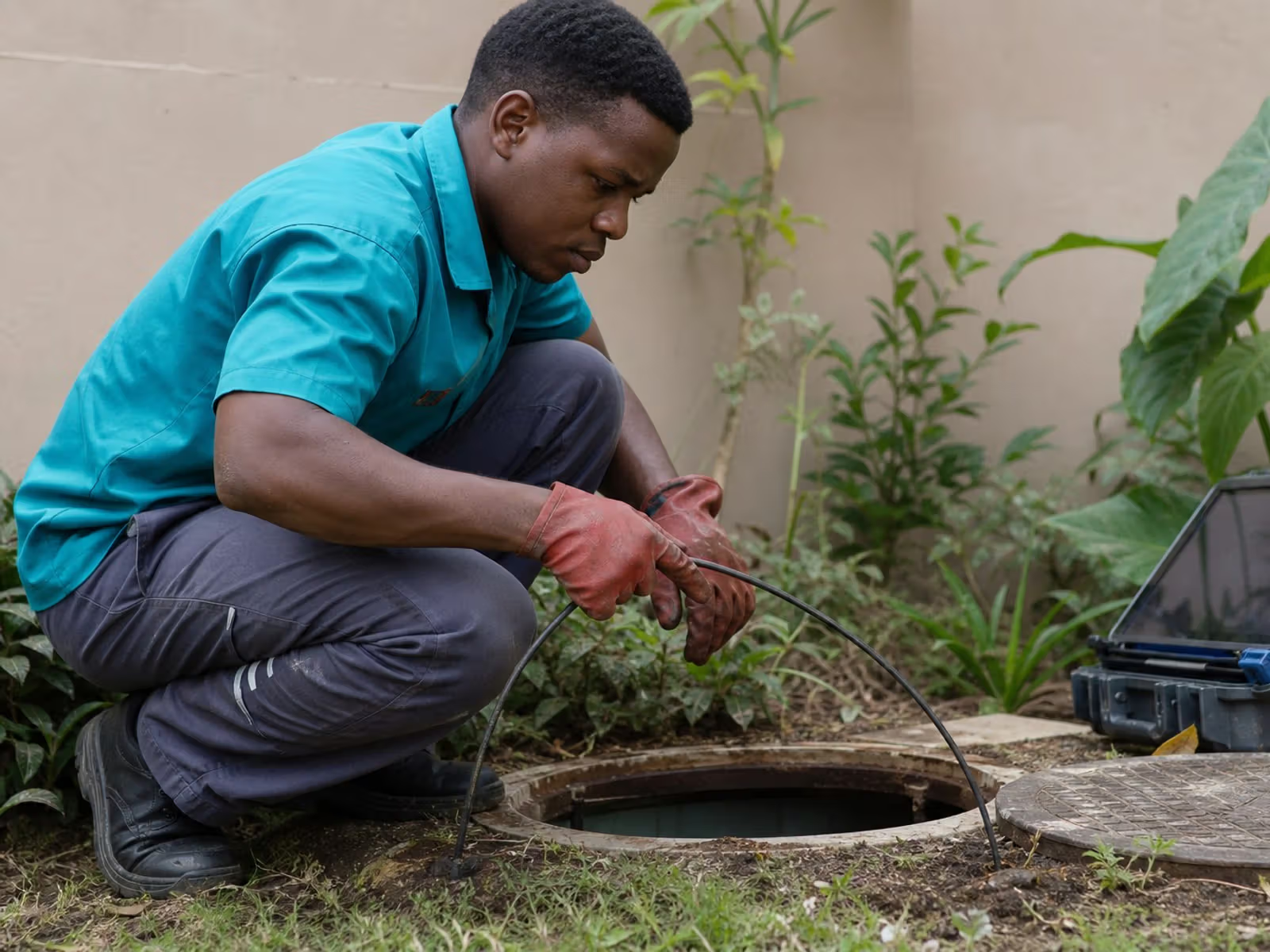
How to tell if your house has a hidden water leak
A free 15-minute meter test that shows if water is running somewhere it shouldn't.
Read the guide -
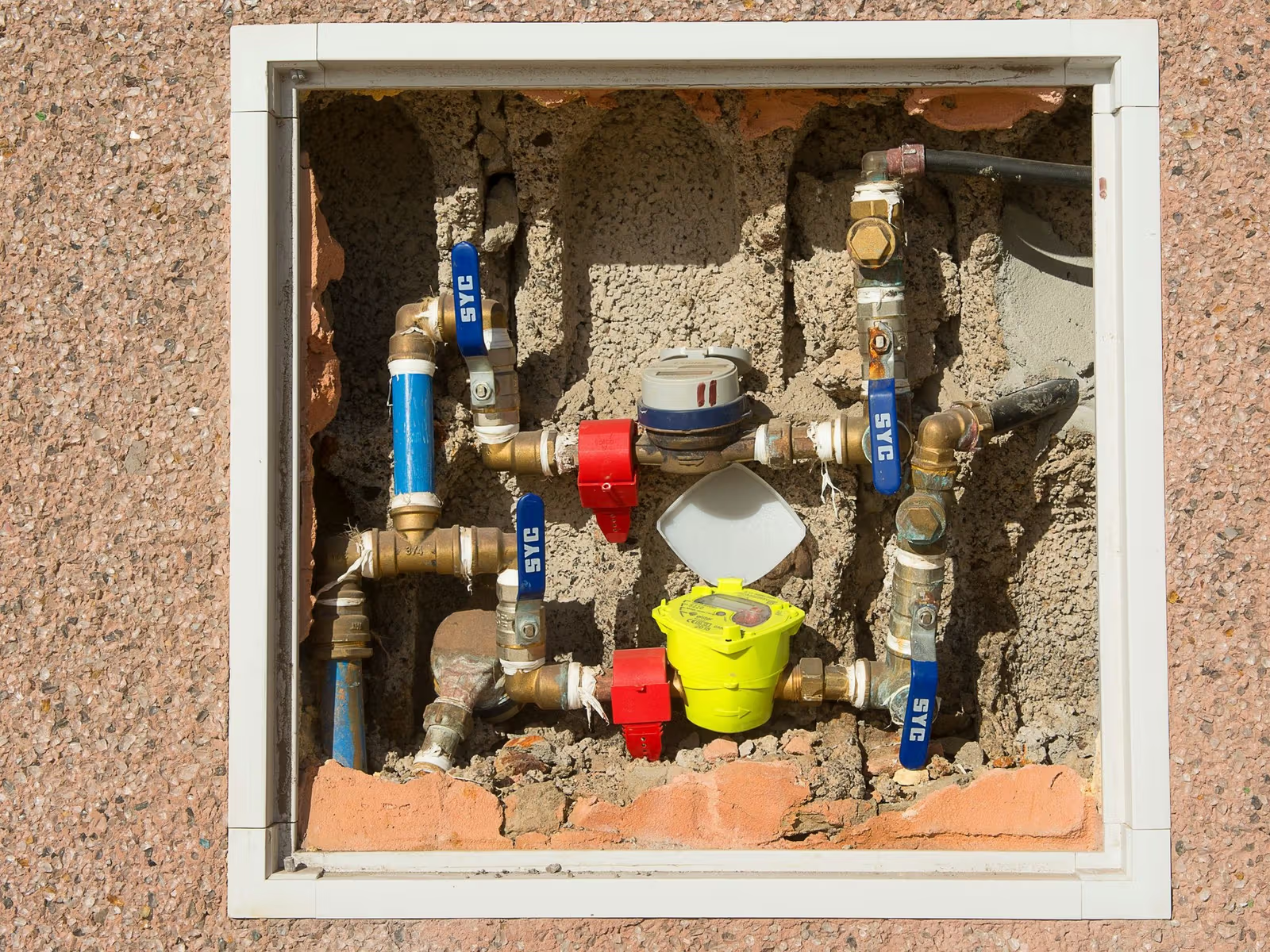
Who pays when a leak pushes up your water bill
Shows who pays for a hidden leak, you, your tenant or the City, and how a rebate works.
Read the guide -
Plumbing checks before buying a house in Cape Town
What a plumbing check sees on the day, and what it can't reach
Read the guide
Every guide on Finding a water leak
-
How to tell if your house has a hidden water leak
A free 15-minute meter test that shows if water is running somewhere it shouldn't.
Read the guide -
Who pays when a leak pushes up your water bill
Shows who pays for a hidden leak, you, your tenant or the City, and how a rebate works.
Read the guide -
Plumbing checks before buying a house in Cape Town
What a plumbing check sees on the day, and what it can't reach
Read the guide -
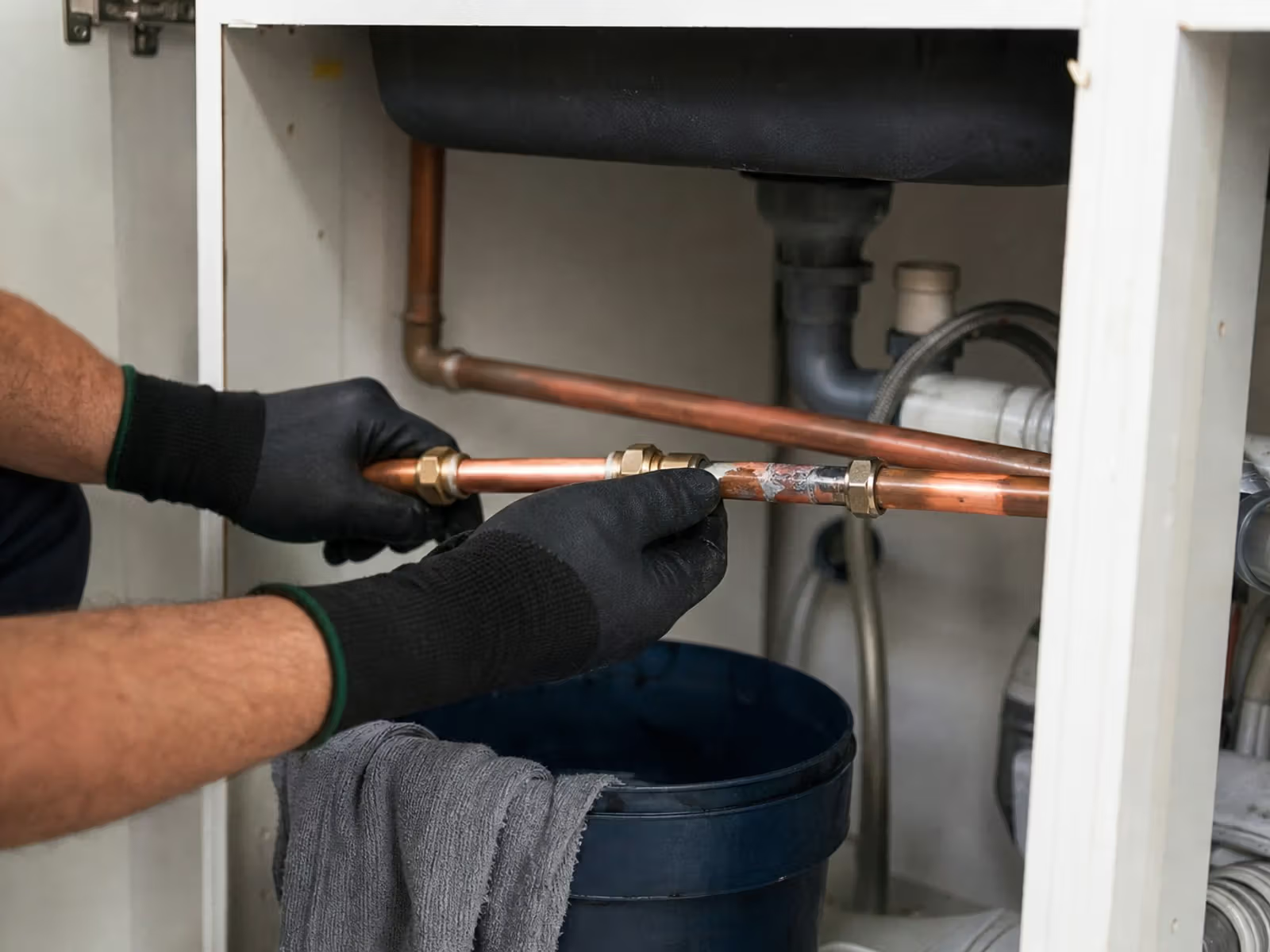
What is the most common cause of a dripping faucet
Why your tap drips and which worn part is really to blame
Read the guide -
What are some water saving ideas for my home
How to test for a hidden leak before spending on water saving fixes
Read the guide
Frequently asked questions

How do I find out if I have a leak in the first place?
The clearest sign is your water meter moving when every tap is off and nothing is running. A higher than usual bill, a damp patch that won't dry out or a hissing sound in a quiet wall can also point to a leak. None of these prove where the water is going, just that it's going somewhere it shouldn't.
What's the best way to trace a leak once you suspect one?
Tracing starts with narrowing the area down, usually by checking which section of pipe is wet or pressurised and ruling out taps, toilets and the geyser one at a time. From there it's a process of listening, checking damp patterns and sometimes using specialist equipment to pinpoint the exact spot. This part is fiddly and often needs a trained eye, so if you're not getting anywhere on your own, a plumber is the right next step.
Can a gadget find a leak for me, without digging up the floor?
There are tools, like acoustic listening devices and thermal cameras, that help a plumber find a leak without breaking into a wall or floor first. They work by picking up sound or temperature changes that water makes as it moves where it shouldn't. They're not magic though. They narrow down a likely spot rather than guarantee an exact one and the plumber still needs skill to read what the tool is showing.
Why does a small leak matter if it's not flooding anything?
A small leak still runs water nonstop, day and night, so it adds up on your bill even when nothing looks wrong on the surface. Left long enough, that same slow drip can soften wood, loosen tiles or feed mould you can't see yet. Catching it early, before there's any flooding, is usually a lot less disruptive than waiting for a visible problem to show up.