
Understand blocked drains before you reach for a plunger
By the end you will know what a slow drain is really telling you, why home fixes miss it and which step actually stops the blockage coming back.
We reply on the same working day.
A blocked drain rarely starts as an emergency
A drain almost never blocks all at once. It slows first. The water sits a second longer, then a few seconds, then it pools. That early warning is the cheap moment to act. Ignore it and the blockage hardens and one day the water has nowhere to go but the floor or the cupboard. Knowing the difference saves you a far messier job later.
Most people reach for the fix they heard about. Baking soda and vinegar fizzes, so it feels like it worked. It rarely shifts a real blockage and we explain the reason in Why plumbers never pour baking soda and vinegar down a drain. Others simply wait and hope it clears on its own, which sometimes helps and often makes things worse. Will a blocked drain clear by itself walks you through what to watch before that choice costs you.
Start with the symptom in front of you. A toilet that won't flush is a different problem from a sink that drains fine but smells. If yours stinks without backing up, Kitchen sink drain smells bad but no blockage shows where the odour sneaks in. These guides inform your next step. They don't replace a plumber when the water keeps rising.
Start here
-
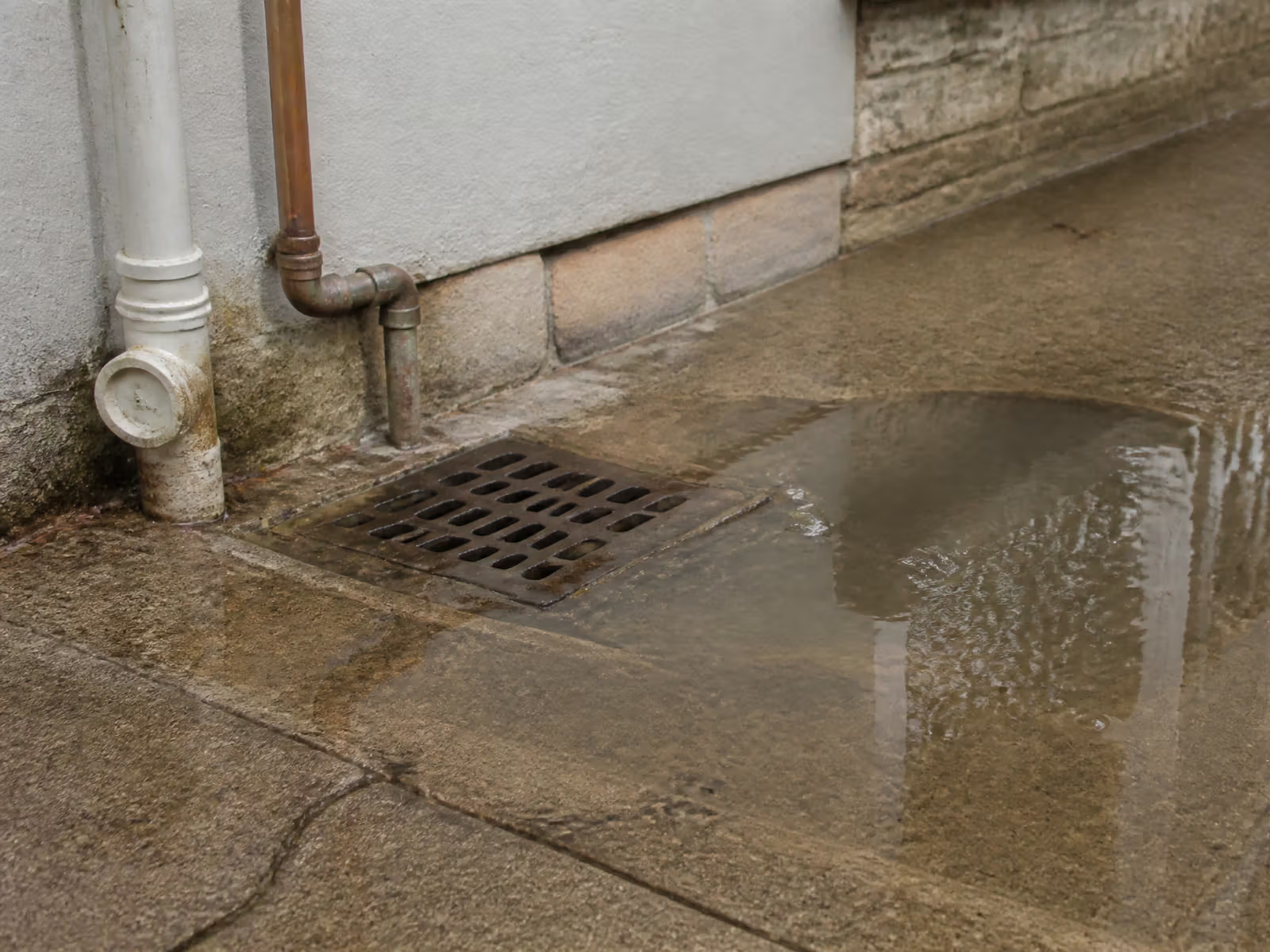
Will a blocked drain clear by itself
Will a blocked drain clear by itself? Not always and waiting can mean water in the cupboard below instead. Here's what to watch for before that happens.
Read the guide -
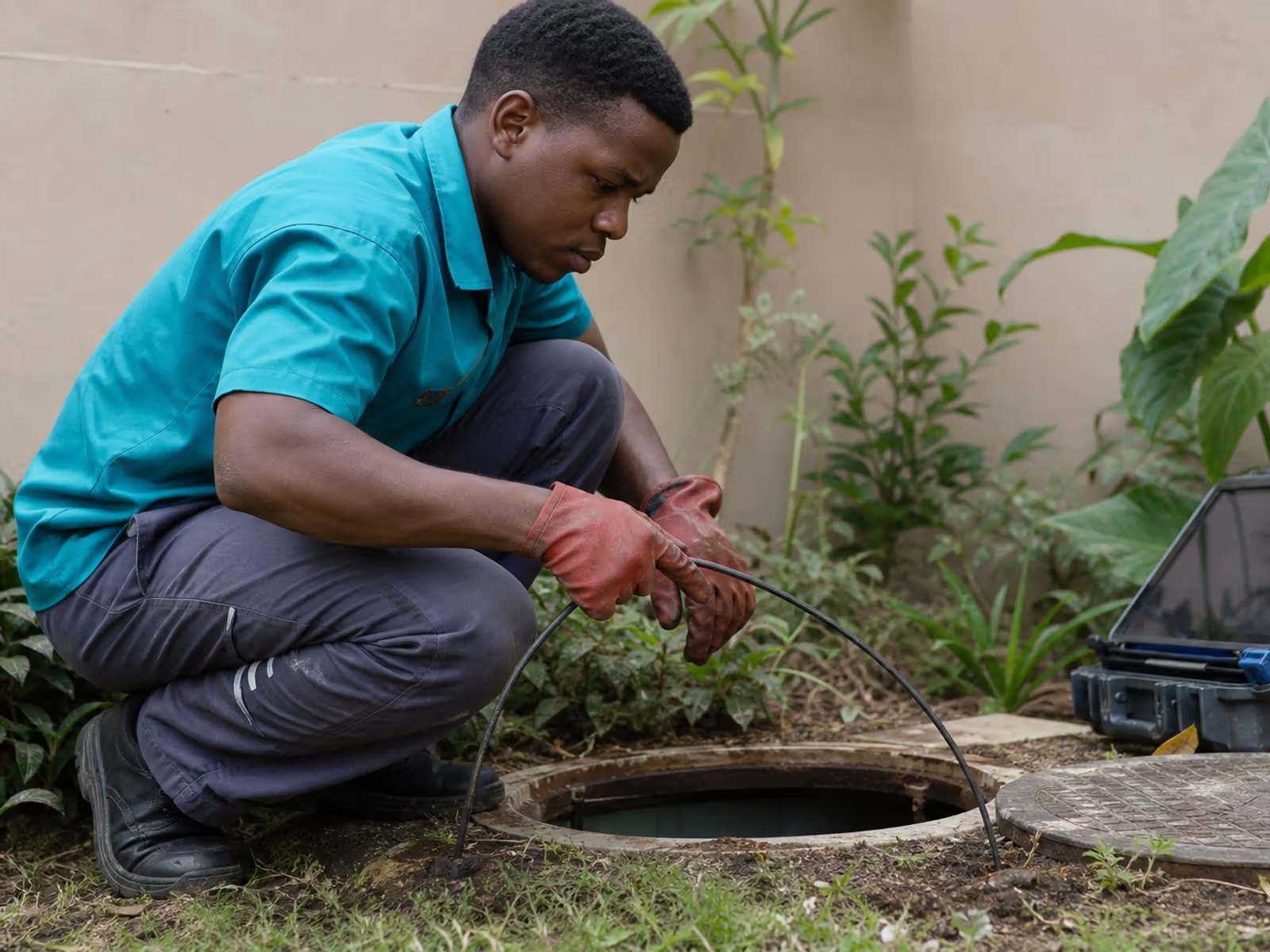
Why plumbers never pour baking soda and vinegar down a drain
Why vinegar and soda can't clear a real blockage, so you know what to do next.
Read the guide -
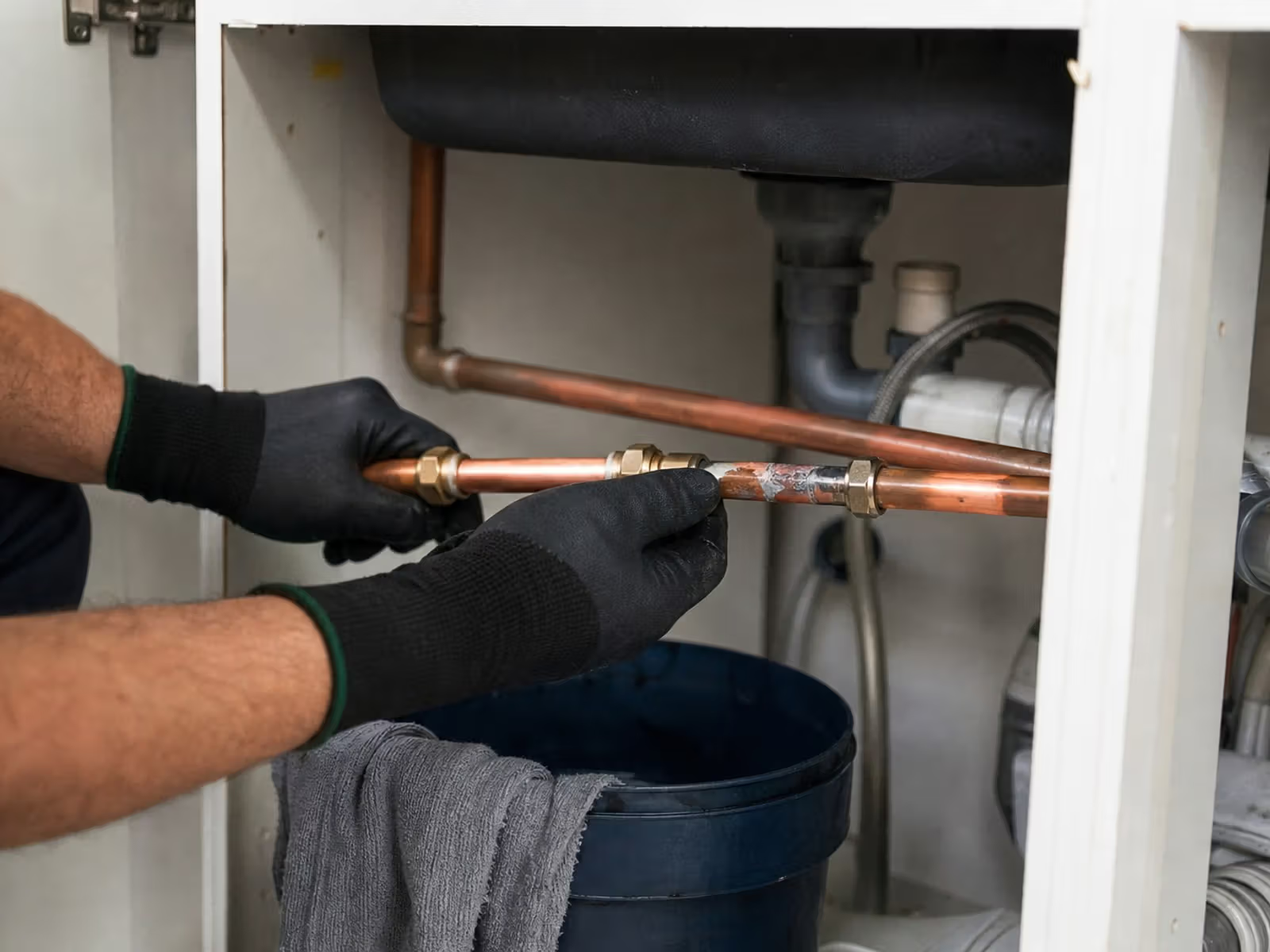
Kitchen sink drain smells bad but no blockage
Water still drains yet the sink stinks? Sewer gas is likely slipping past a dry or greasy trap. Check the trap, the vent and the waste pipe one at a time.
Read the guide
Every guide on Blocked drains
-
Will a blocked drain clear by itself
Will a blocked drain clear by itself? Not always and waiting can mean water in the cupboard below instead. Here's what to watch for before that happens.
Read the guide -
Why plumbers never pour baking soda and vinegar down a drain
Why vinegar and soda can't clear a real blockage, so you know what to do next.
Read the guide -
Kitchen sink drain smells bad but no blockage
Water still drains yet the sink stinks? Sewer gas is likely slipping past a dry or greasy trap. Check the trap, the vent and the waste pipe one at a time.
Read the guide -
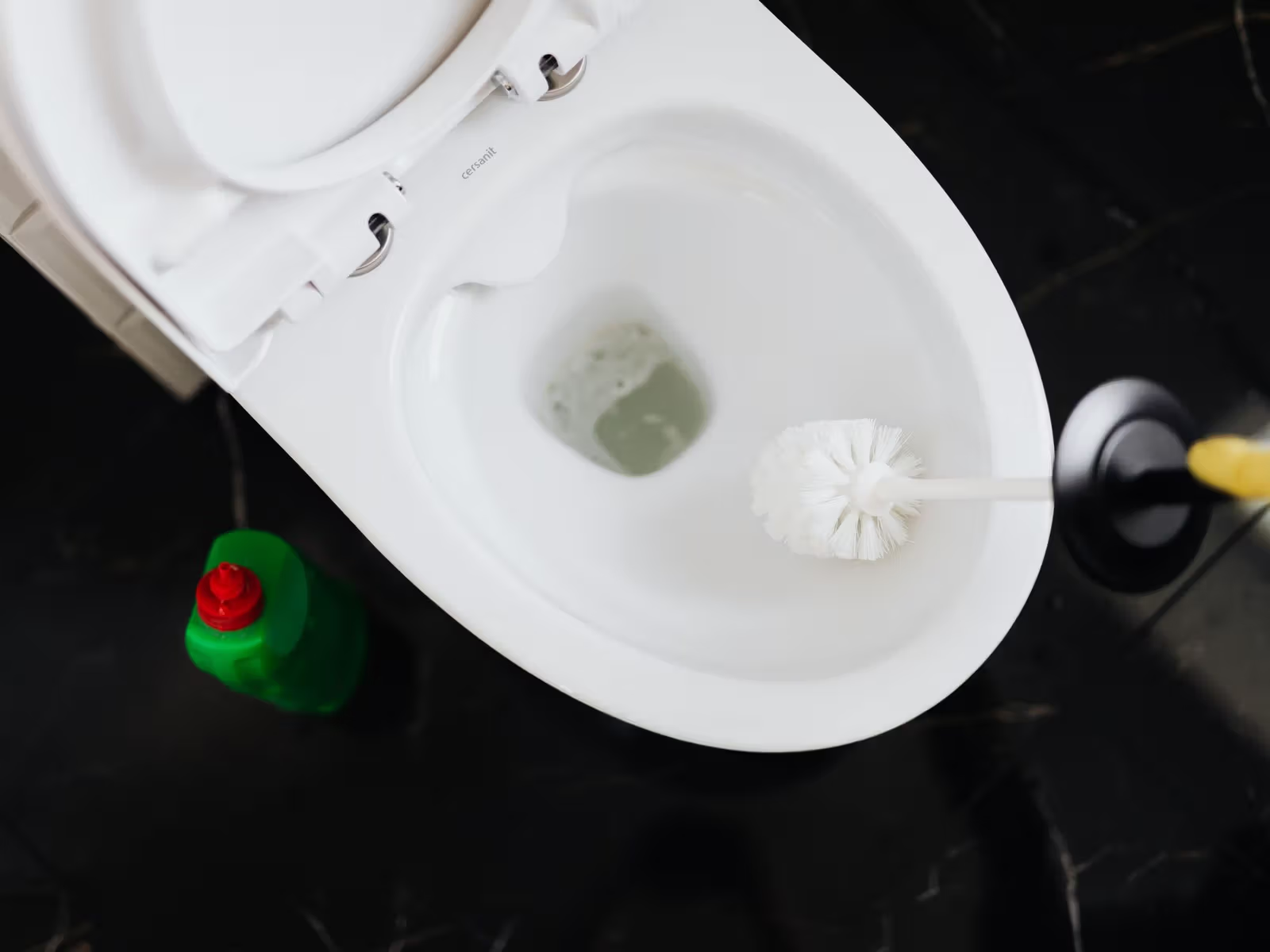
What can you pour down the toilet to unclog it
What can you pour down the toilet to unclog it from Klipspringer Plumbing in Cape Town. Straight answers, clear pricing on request and a team you can actually
Read the guide
Frequently asked questions

Does baking soda and vinegar actually clear a blocked drain?
It fizzes, but the fizz is a chemical reaction, not a scrub. It can loosen a light film of grease in a pipe, but it does little against a solid clog like hair, roots or built-up fat. The guides on this page go into this in more detail.
What's the best way to unclog a drain yourself?
Start with the simplest tools: a plunger for a toilet or sink, or a drain snake for hair caught near the plughole. Work the blockage gently rather than forcing it, since too much pressure can crack an old pipe joint. If the water still won't move after a try or two, that's a sign the blockage sits further down than a home tool can reach and a professional is the right next step.
What's safe to pour down a blocked drain?
Hot water (not boiling, which can warp some pipes) and a small amount of dish soap are about as far as it's safe to go without knowing what the pipe is made of. Shop-bought caustic drain cleaners can damage older pipework and are risky to handle, so this is general information rather than a recommendation to use them. If you're not sure what's in your pipes, ask a plumber before pouring anything strong.
How do you know a drain blockage is serious?
Watch for water backing up somewhere you didn't pour anything, a gurgling sound from another drain when you run a tap or a smell that won't shift. Those are signs the blockage sits in a shared line rather than one fixture. A slow drain that's getting slower week by week is also worth acting on early, before it stops altogether. If water starts pooling where it shouldn't, that's a safety and property issue, so treat it as a job for a professional rather than a wait-and-see.