
Match your geyser worry to the right fix, not a guess
Howzit.
We reply on the same working day.
 Twelfth Year Trading
 Sixteen Years on Tools
 PIRB Registered Licensed Plumber
 Quoted Before Fitting
-
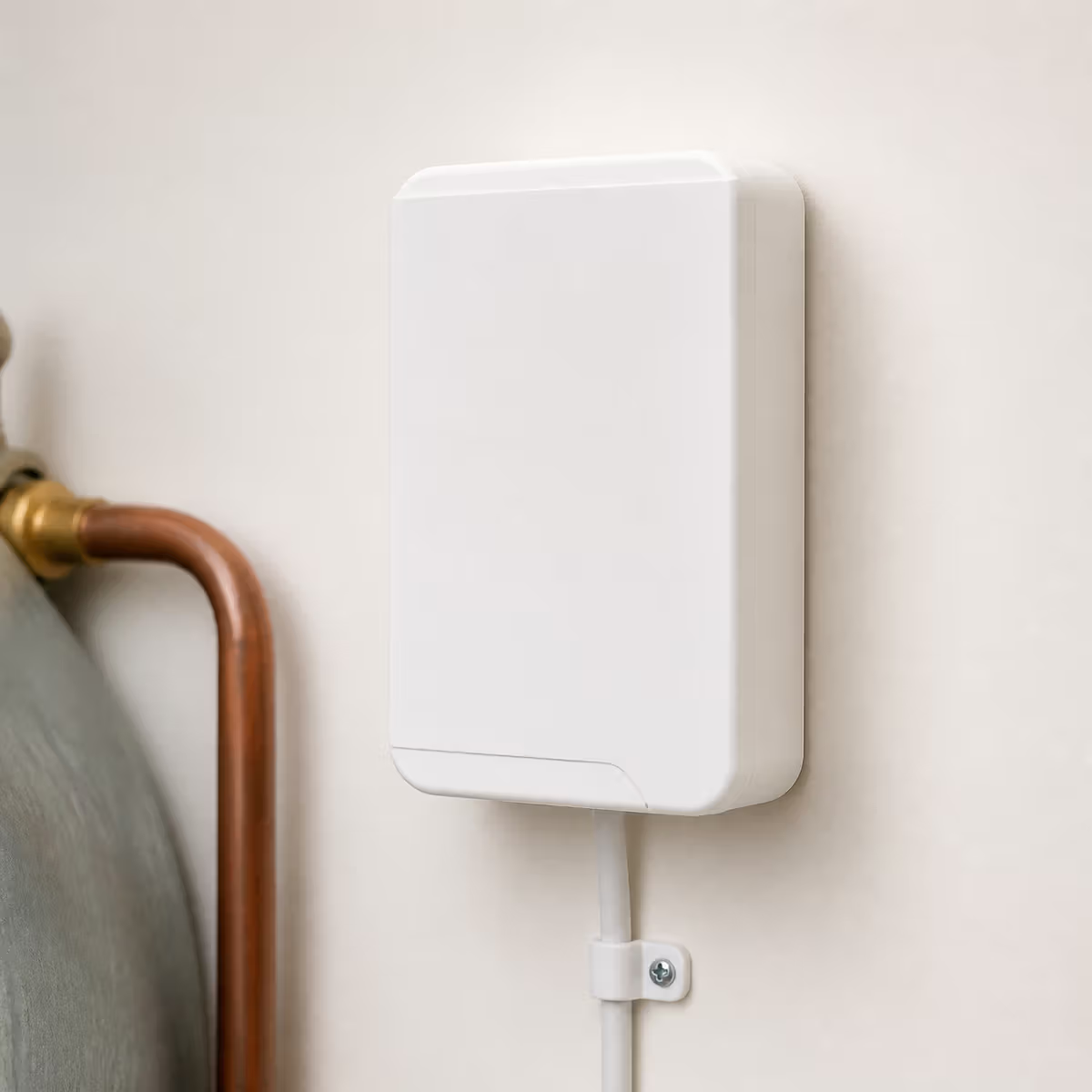
Smart Wi-Fi geyser controller
Switch your geyser on and off from your phone and monitor its electricity usage
R2 300 excl. VAT
-
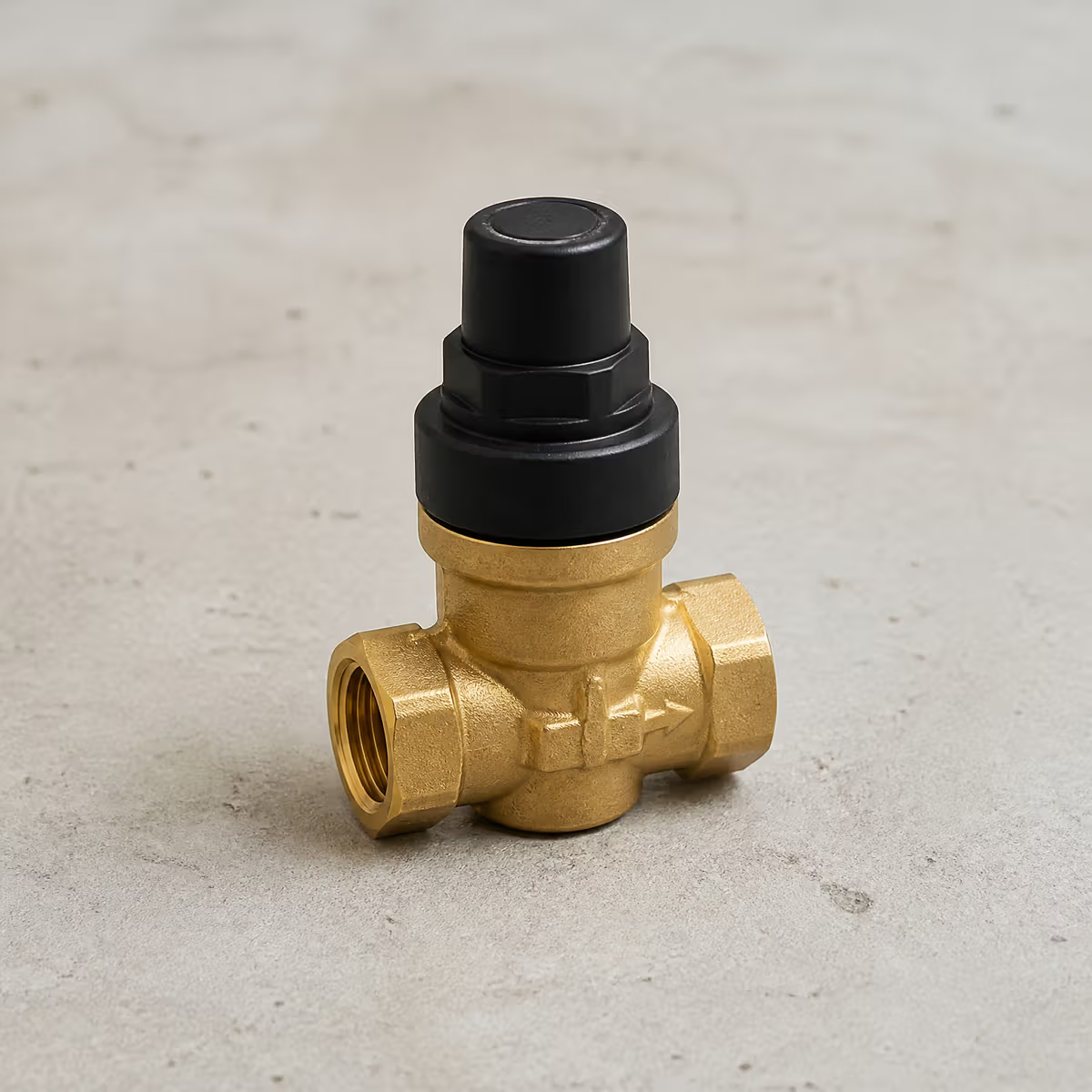
Pressure control valve
Protects your geyser and pipes by maintaining steady pressure
R1 450 excl. VAT
-
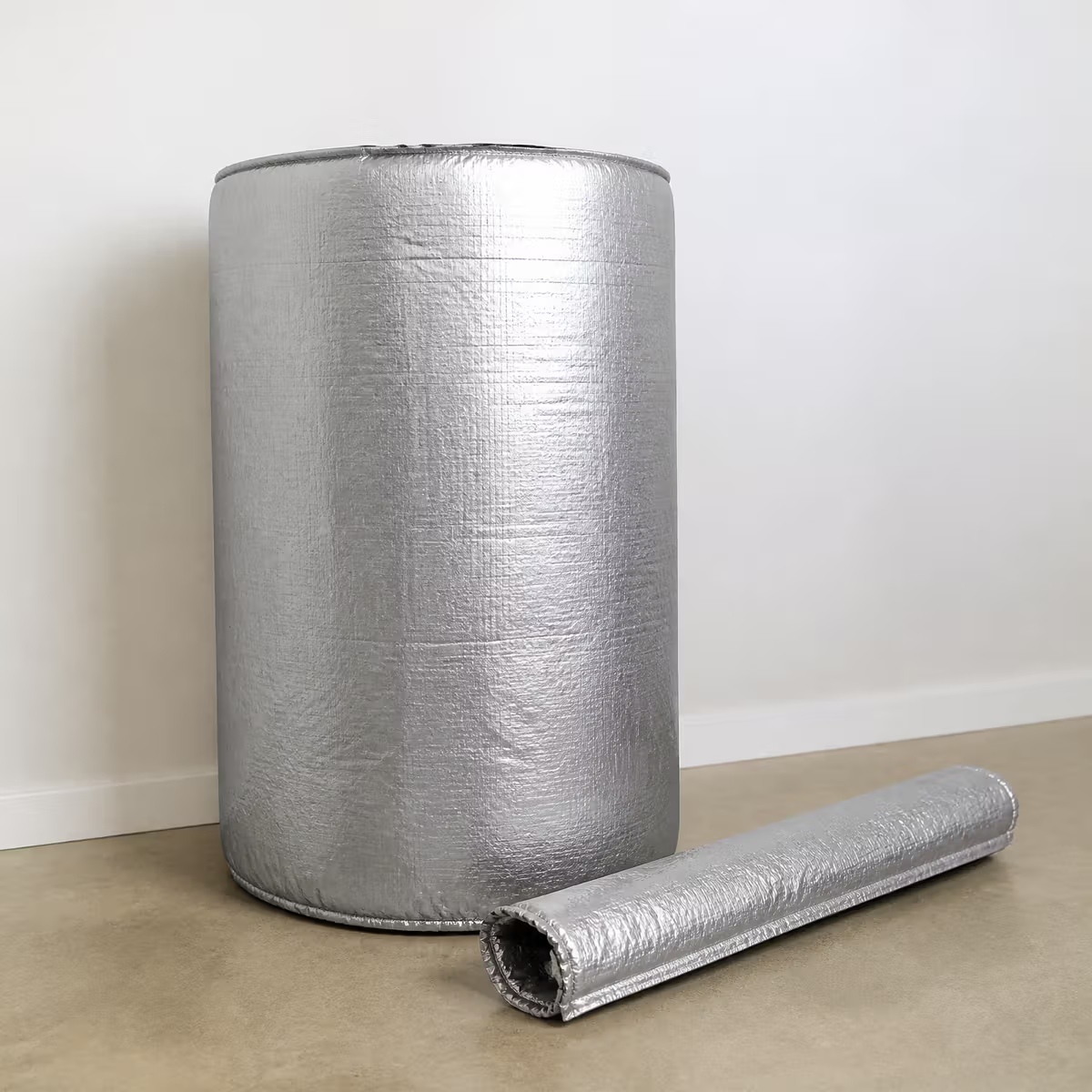
Geyser insulation blanket
Keeps your water hot longer and cuts geyser running costs
R390 excl. VAT
-
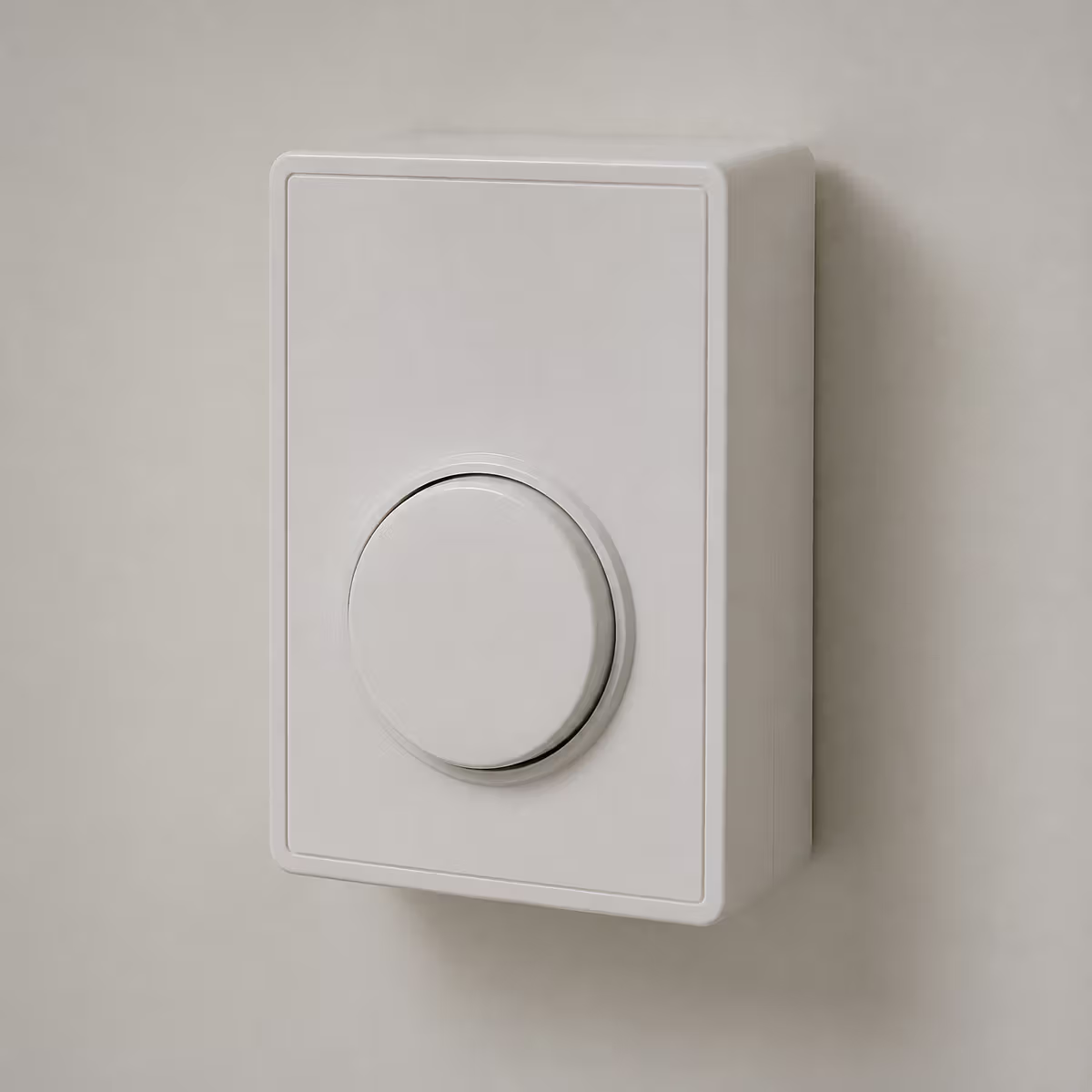
Geyser timer
Heats water only when you need it, cutting energy costs and keeping your geyser safer
R1 100 excl. VAT
-
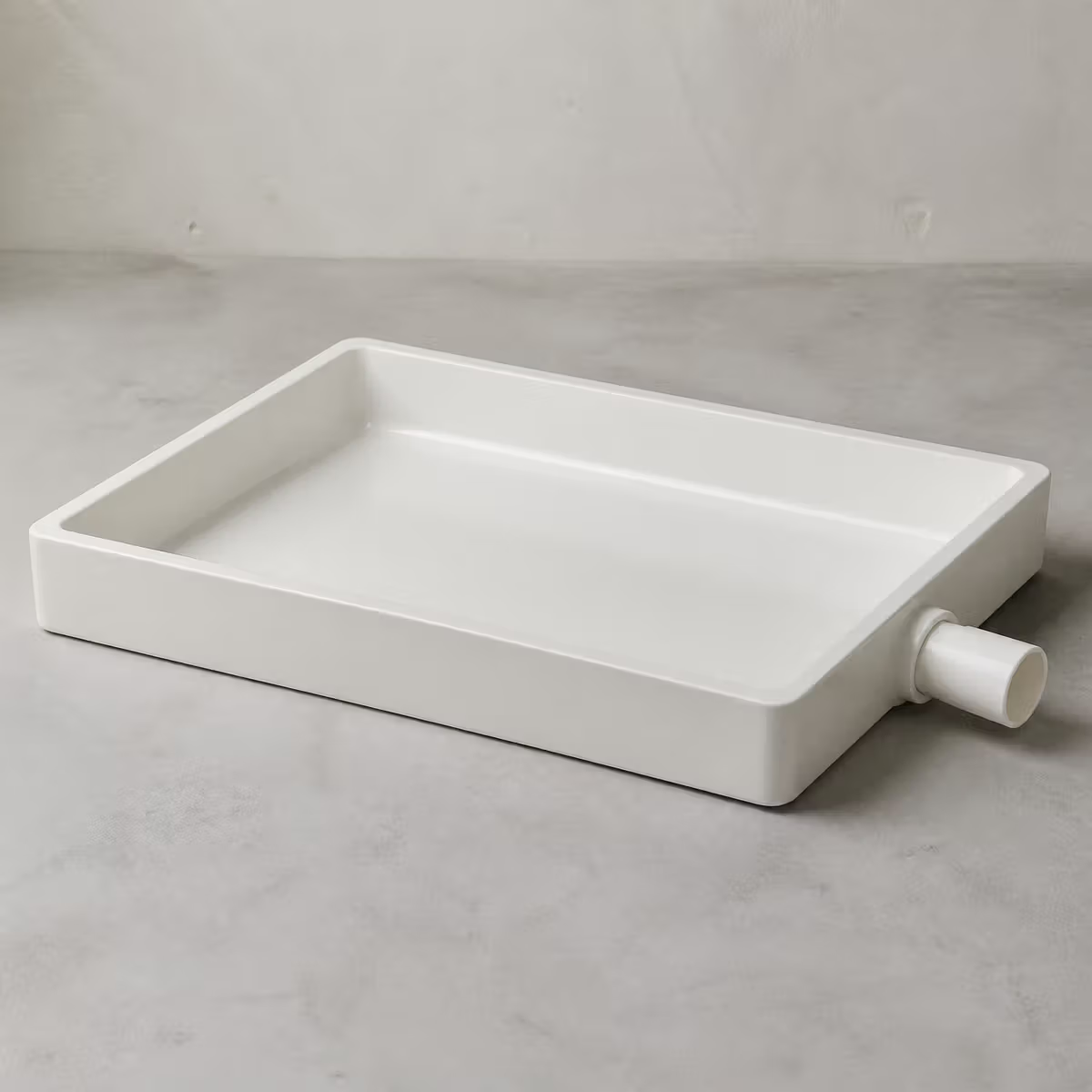
Geyser drip tray
Catches geyser leaks and drains them away so water doesn't damage your ceiling
R650 excl. VAT
-
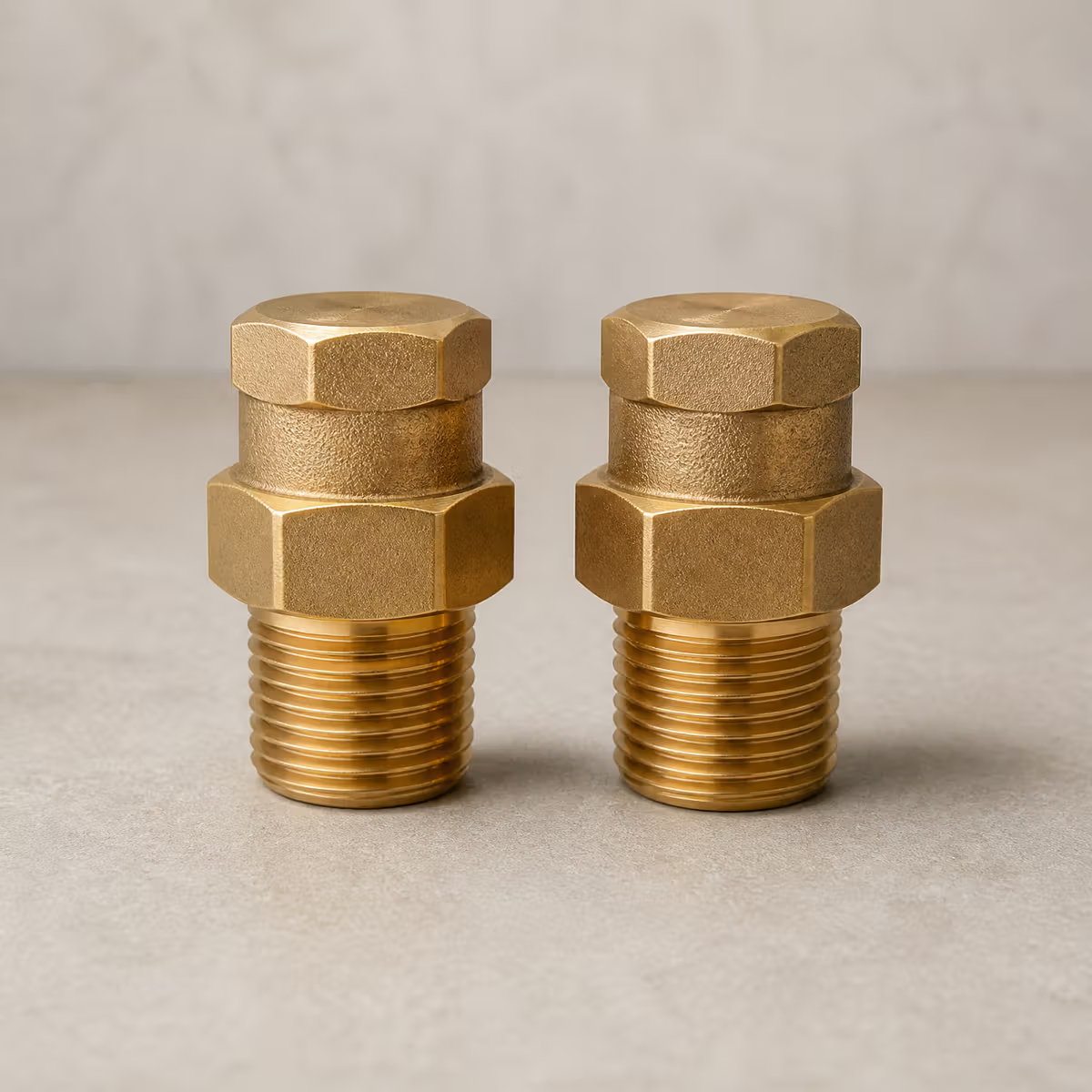
Vacuum breaker pair
Prevents geyser collapse when water supply is cut off, fitted on both hot and cold sides
R480 excl. VAT
-
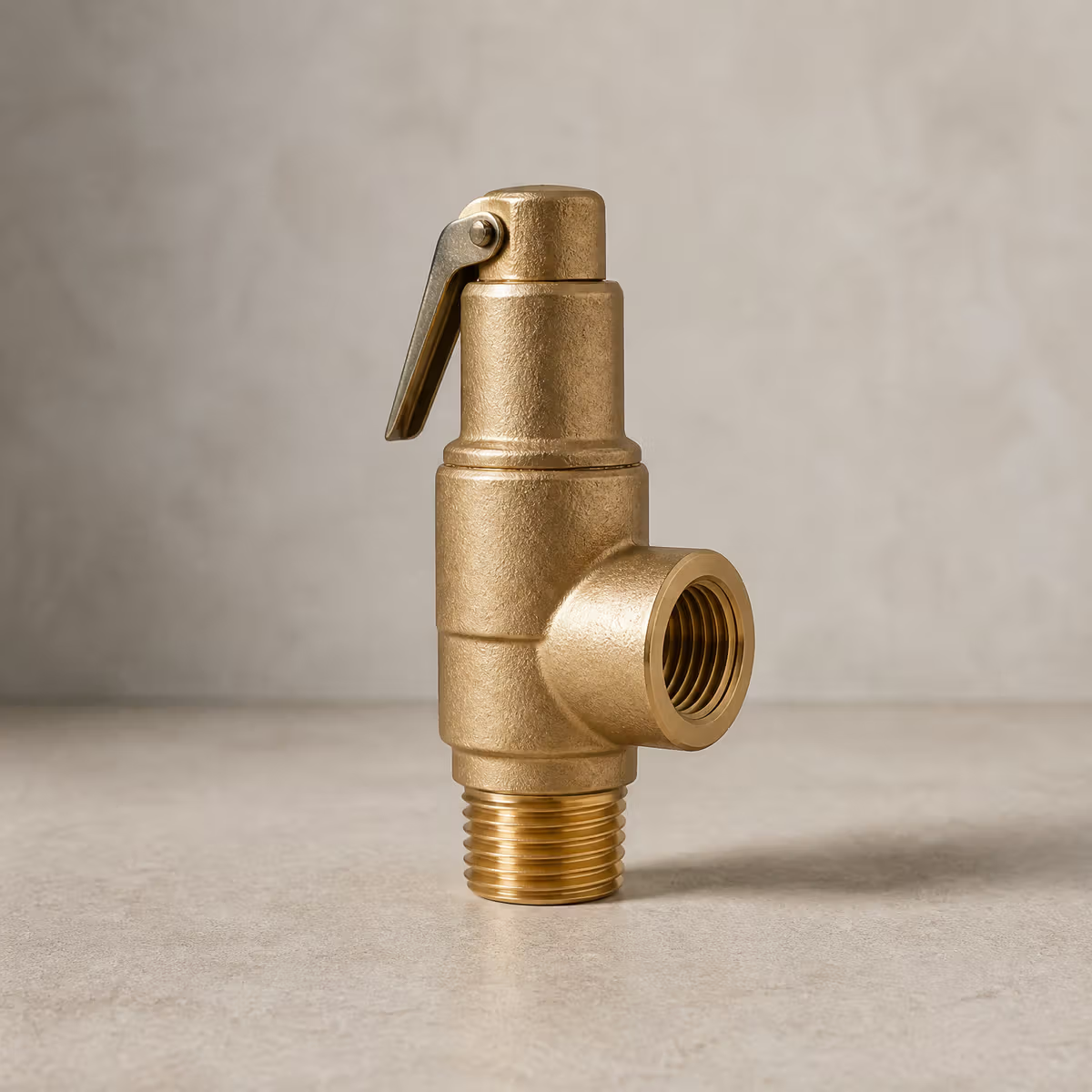
Temperature and pressure safety valve
Protects your geyser from dangerous heat and pressure buildup
R720 excl. VAT
Why buy your geyser gear from us
-

About 1,200 geysers replaced
A burst geyser at 2am is not new to us. We have likely seen your exact model and fault before.
-

WhatsApp reply within the hour
Send a photo of the problem on a weekday and you will hear back within the hour, not at the end of the day.
-

The owner signs your certificate
Zaid, the owner and master plumber, checks the job himself and signs your certificate of compliance. Not a stranger passing through.
About the geyser safety and savings range we stock
Every part here bolts onto the geyser you already own. None of it asks you to rip out a working tank or spend on a brand-new system. The job is simple: make your geyser safer to live with, cheaper to run or easier to control day to day.
Start by splitting your worry into two piles. One pile is safety. The other is cost. Sort those two first and you stop buying the wrong thing.
Safety is about pressure and water where it should not be. A geyser holds hot water under pressure. Old parts fail. Maybe you have seen a drip in the ceiling, or water pooling near the tank. Maybe you just lie awake worried the whole thing could let go in the night. If so, you want gear that releases pressure before it builds, catches a leak before it reaches your ceiling and stops the tank sucking itself flat when the mains drops during load-shedding. These parts are small. The damage they prevent is not.
Cost is a different worry. It is about the money the geyser quietly eats while you sleep. If your electricity bill climbs every winter and the tank is warm to the touch, the heat is leaking straight out. If the geyser runs all day for one evening shower, it is heating water nobody uses. Here the fix holds heat in and runs the element only when you actually need hot water.
Some worries sit in both piles. A valve that controls pressure protects the tank and trims your bill at the same time. That overlap is normal. It is why guessing from a shelf rarely works.
But you do not have to work this out alone. Send us a photo on WhatsApp of your geyser and whatever is bothering you. We look, we tell you plainly which part fits your situation and we say so when a cheaper part does the job just as well. If you need none of it, we will tell you that too. For wider background, see expert guidance on Geyser safety and savings.
Frequently asked questions

Which type of geyser is safest?
The tank itself matters less than the small parts fitted to it. A geyser with a working pressure valve, a leak detector and a vacuum breaker is safer than a newer tank left with worn original fittings. So the safest geyser is whichever one you own, once it has the right safety parts on it. If you are not sure what yours is missing, send us a WhatsApp photo and we will tell you straight.
How many years should a geyser last?
This depends on the water quality, the pressure it runs under and how well it has been maintained, so we won't put a number on it that isn't true for your tank. What we can say is that a geyser nearing the end of its life often shows warning signs first: rust streaks, a popping sound or a slow drip near the base. If you're seeing any of that, it's worth checking the safety parts before the tank fails outright rather than after.
What happens if a geyser is left running for 24 hours?
A geyser left on all day keeps reheating water nobody is using, so the cost comes from the standing heat loss rather than the few minutes you're actually in the shower. Over a winter month that adds up on the bill. A timer fitted to the circuit switches the element off outside the hours you actually need hot water, which is often the simplest fix for this exact problem.
More ranges
Ready when you are
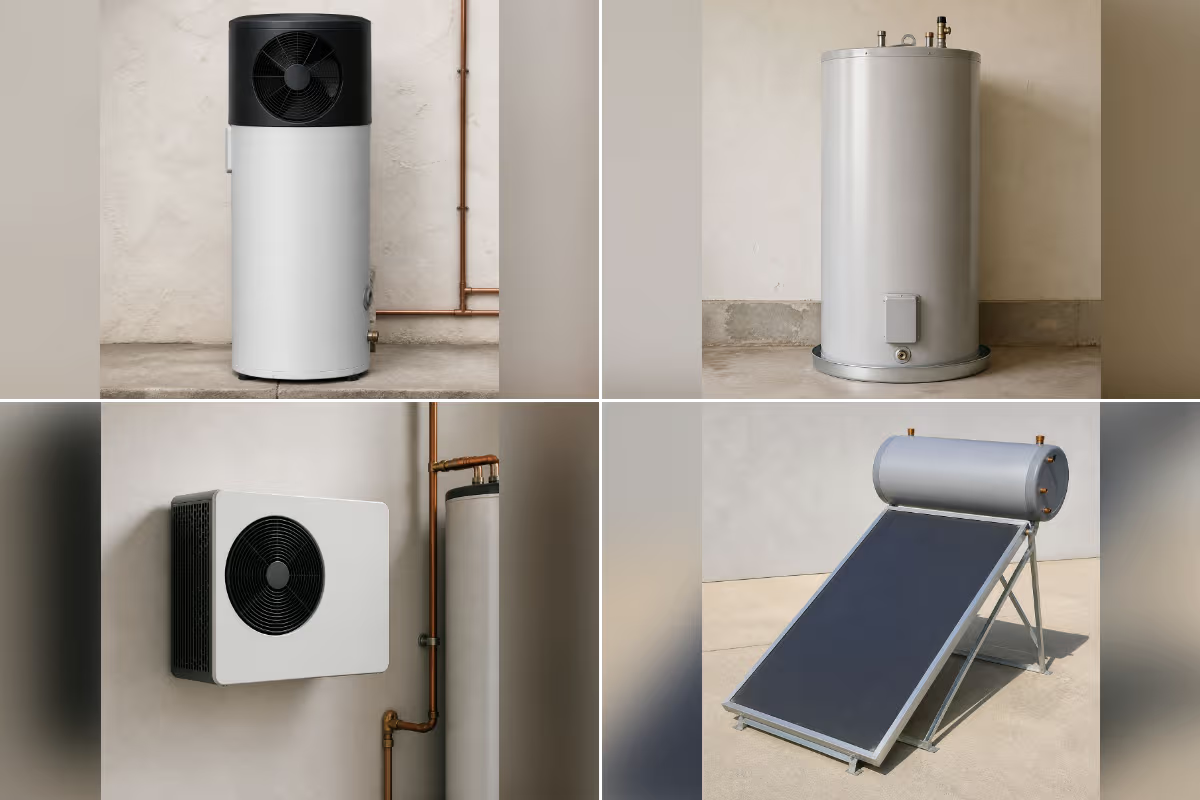
Not sure which geyser part you need? Tell us what's going wrong and we'll point you to the right match, whether that's an element, a thermostat or a new valve. The aim is simple: a safe geyser that stops wasting your money. No more match the right part.