
Clear a blocked toilet safely and know when to stop
A bowl that won't go down is stressful and nobody enjoys it. This shows you how to clear one toilet safely. It also shows you how to stop flushing before it floods and where the point is to call for help. Written for far-south homeowners who want the plain facts without the fuss.

By Zaid Petersen, Owner and master plumber
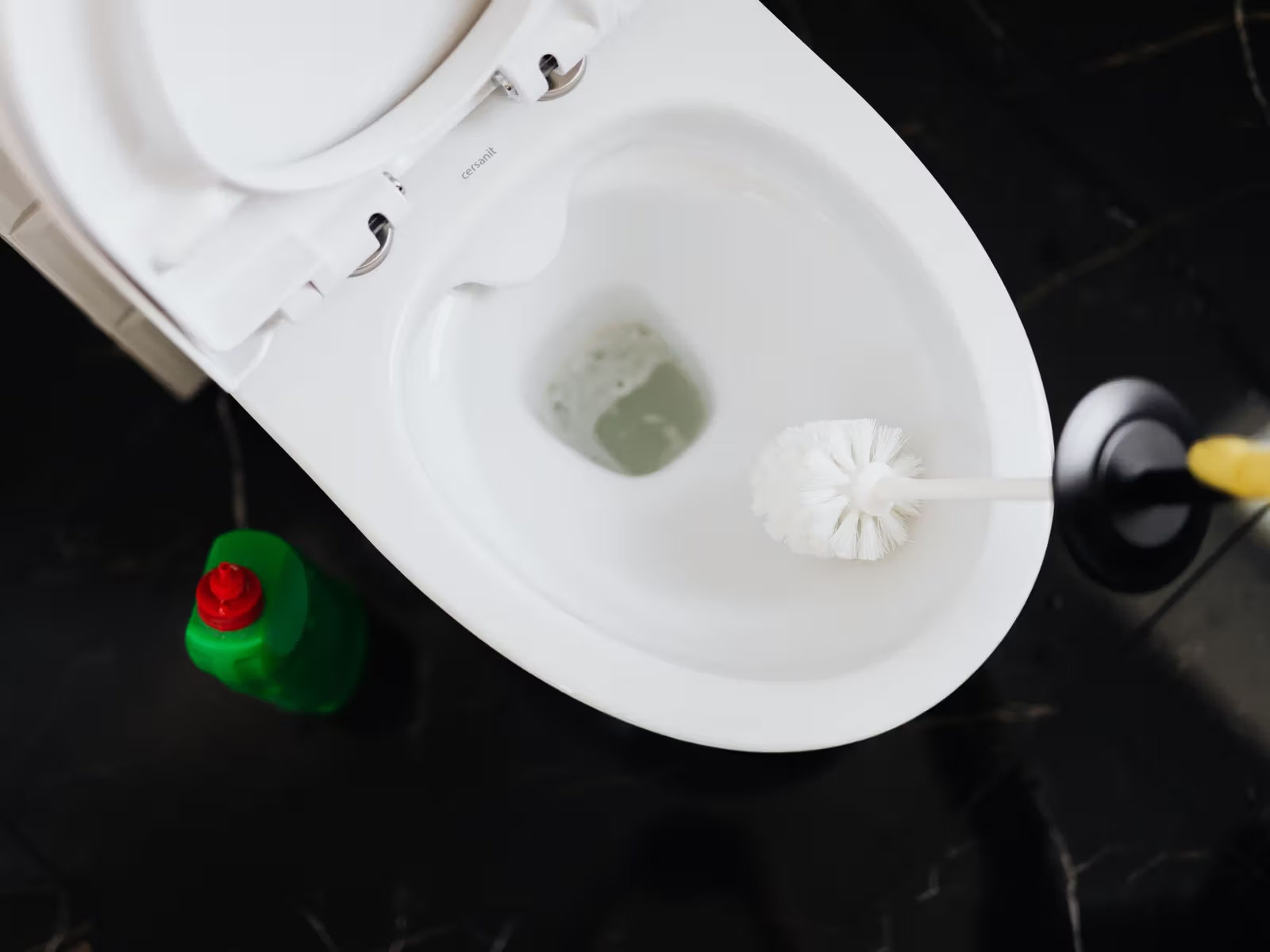
Stop flushing and leave the bowl alone. Each extra flush adds water to a blockage that is already holding it back, so the level rises further. The question that matters next is whether the trouble stays in this one toilet. A block that shows up in other fixtures sits deeper in the line and needs more than a plunger.
Check whether one toilet or the whole house is blocked
A plunger won't help there. So before you reach for anything, work out if it is just this toilet or the whole house. One blocked toilet is a quick fix you can often do yourself. A whole-house problem is different. Chemicals won't touch it.
Stop flushing the moment the water rises. Then check your other drains. Flush a basin. Run the shower. Pour water down the kitchen sink.
If all of those drain clean, the block sits in this one toilet. That's good news. A single clog near the bowl usually clears with a plunger.
But watch what happens when you run water elsewhere. If the toilet gurgles, or the shower starts to pool round your feet, the block sits deeper in the line. In older Muizenberg, Kalk Bay and Fish Hoek homes, that often means the shared sewer line, not your toilet.
Clear a single toilet step by step
- Stop flushing. A second flush on a blocked bowl is what puts water on the floor.
- Pull on a pair of rubber gloves and lift the toilet lid out of the way.
- Let the water settle. If the bowl is nearly full, bail some out into a bucket so it sits about half full.
- Set a flange plunger over the hole so it covers it completely and the rubber seals against the bottom of the bowl.
- Push down slowly first to get the air out, then pump hard and steady about ten to fifteen times.
- Pull the plunger off sharply on the last pump. The suction often breaks the clog loose.
- Watch the water. If it drains away, you have cleared it. If not, settle the water again and repeat the pumping.
- Once it drains, flush once to check the bowl fills and empties the way it should.
Know what the City says never to flush
Only pee, poo and toilet paper belong down a toilet. The City of Cape Town's sewer system is built to carry bodily waste, toilet paper and wastewater from sinks, baths and basins. That makes it the best way to stop the next blockage before it starts.
So-called flushable wipes are the main culprit. They don't break down like paper does. They snag in the bend. Over weeks they build up until the line backs up.
The list of trouble-makers is longer than most people think. Cooking fat and oil poured down the kitchen sink set like candle wax in the pipe. Nappies, cotton buds, dental floss, sanitary products and food scraps all catch and hold. Wondering what a slow or gurgling drain is telling you? Our blocked-drains guide walks through what causes blockages and what actually clears them.
Knowing the rules stops the next clog. Some blockages, though, are already too big to shift with a plunger. That is where you need to know when to stop.
Know when to stop and call for help
Knowing when to stop also means knowing when to call. More than one fixture backing up is the sign. A toilet that gurgles while the shower fills is telling you the block sits in the main line. Not the bowl.
Some of these signs point past your own pipes. If a drain in the street overflows, or several homes on your road have the same trouble, the public sewer is blocked. Report a blockage in the street or on public land to the City of Cape Town. A blockage on your own property is yours to fix as the owner. The fastest fix is to report it. Don't pour anything in.
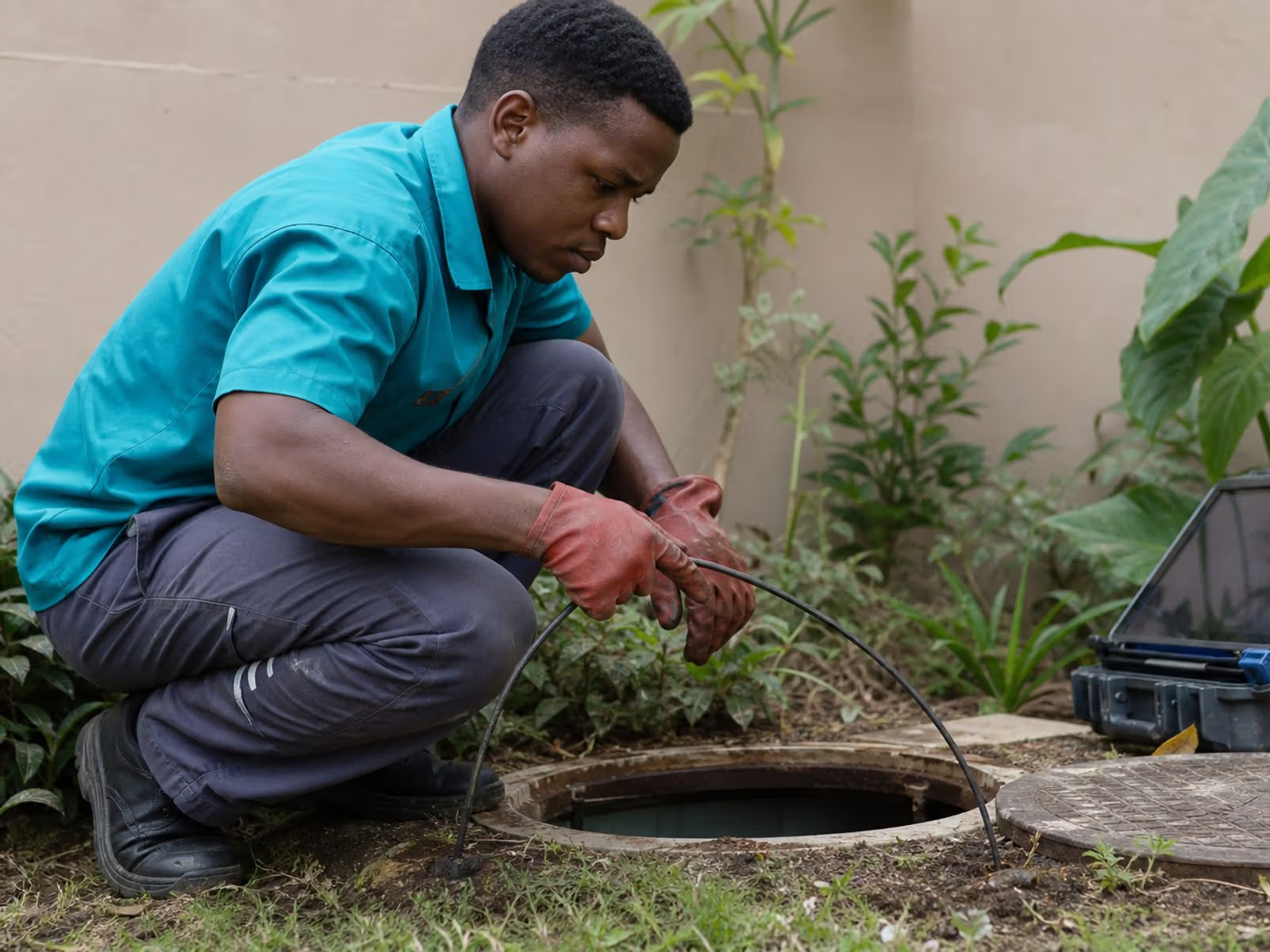
When the trouble sits in your own line, a camera down the pipe shows you the root or the grease on the screen. Our blocked drain clearing is the service for a private line that won't come right with a plunger. Send us a WhatsApp photo of the drain first. Then nobody guesses before someone drives out.
Chemicals are never the answer here. Caustic cleaners sit on top of a solid clog. They burn the pipe and give off fumes. In old clay or galvanised lines, they do real damage. If a plunger hasn't cleared it, put the bottle down. Get the line looked at properly. If a burst pipe or a burst geyser has already soaked the floor, don't wait for the block to clear. Our Emergency plumbing service covers after-hours burst pipes and geysers and you get a price before anyone leaves Muizenberg. For wider background, see Prevent blocked sewers (City of Cape Town).

Frequently asked questions

What is the strongest thing to unclog a toilet?
A flange plunger is the strongest tool you can use on a toilet at home. Its rubber cup seals against the bowl, so the pressure goes into the clog instead of up the sides. If the block sits past the bowl, a plumber's drain machine or camera does more than any plunger or household product.
What can I dump down my toilet to unclog it?
Nothing you pour into the bowl will shift a solid blockage. Water, soap or cleaner just sits on top of the clog. A clear route through the pipe is what lets the water go and that means the blockage has to be pulled or pushed out.
Will I be overcharged for something simple, like a tap or small repair?
The price moves with three things: how far down the fault sits, whether one fixture or the whole line is affected and how easily the plumber can reach the pipe. Send a photo of the problem first, so the plumber can see which of these applies. You then get a written quote before any work starts.
Will they actually turn up when they say they will, or will I be left waiting and chasing them?
Ask for the booked time in writing before anyone is sent out. A confirmed time in a WhatsApp message or email gives you something to check against on the day. Also ask who is coming, so you know which plumber to expect at your door.
Will I be hit with an inflated invoice for work that doesn't even solve the problem?
Compare the invoice line by line with the quote you accepted. The quote should list the work and the invoice should show that same work with no extra items added. Ask for before and after photos as proof of what was done.
Will they rush the job because they're already thinking about the next one, leaving me with new problems?
Ask the plumber to run water down the line after the work and watch it drain. A line that runs clean on the day shows the block is gone, not just pushed further down. If a camera check is part of the job, ask to see the screen before the job is closed.
Explore more
-
Understand blocked drains before you reach for a plunger
What a slow drain is really telling you, and what stops it coming back
Ready When You Are
For more on this, see Blocked drains. If you would like to take this further, Blocked drain clearing is the place to start.
About the author
Related articles
-
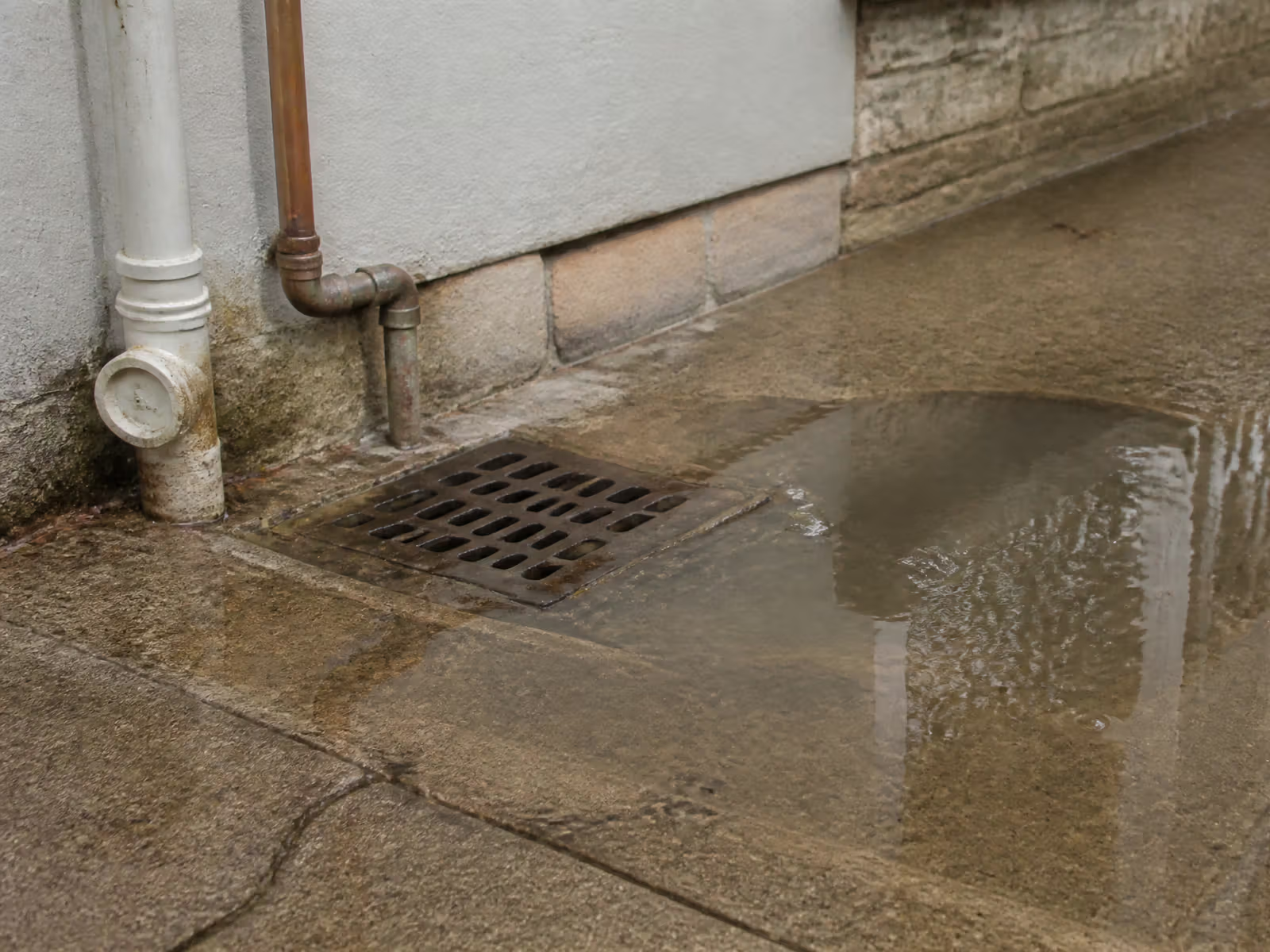
Will a blocked drain clear by itself
Will a blocked drain clear by itself? Not always and waiting can mean water in the cupboard below instead. Here's what to watch for before that happens.
Read the guide -
Why plumbers never pour baking soda and vinegar down a drain
Poured the vinegar and soda and watched it fizz, not fix? Here's why plumbers never pour baking soda and vinegar down a drain and what a slow drain really
Read the guide