
Know what's really blocking your drain before you try a home fix
If you own an older home in Muizenberg or Fish Hoek, this teaches you to read a slow drain. No guessing. Just check it before you pour anything down.

By Zaid Petersen, Owner and master plumber
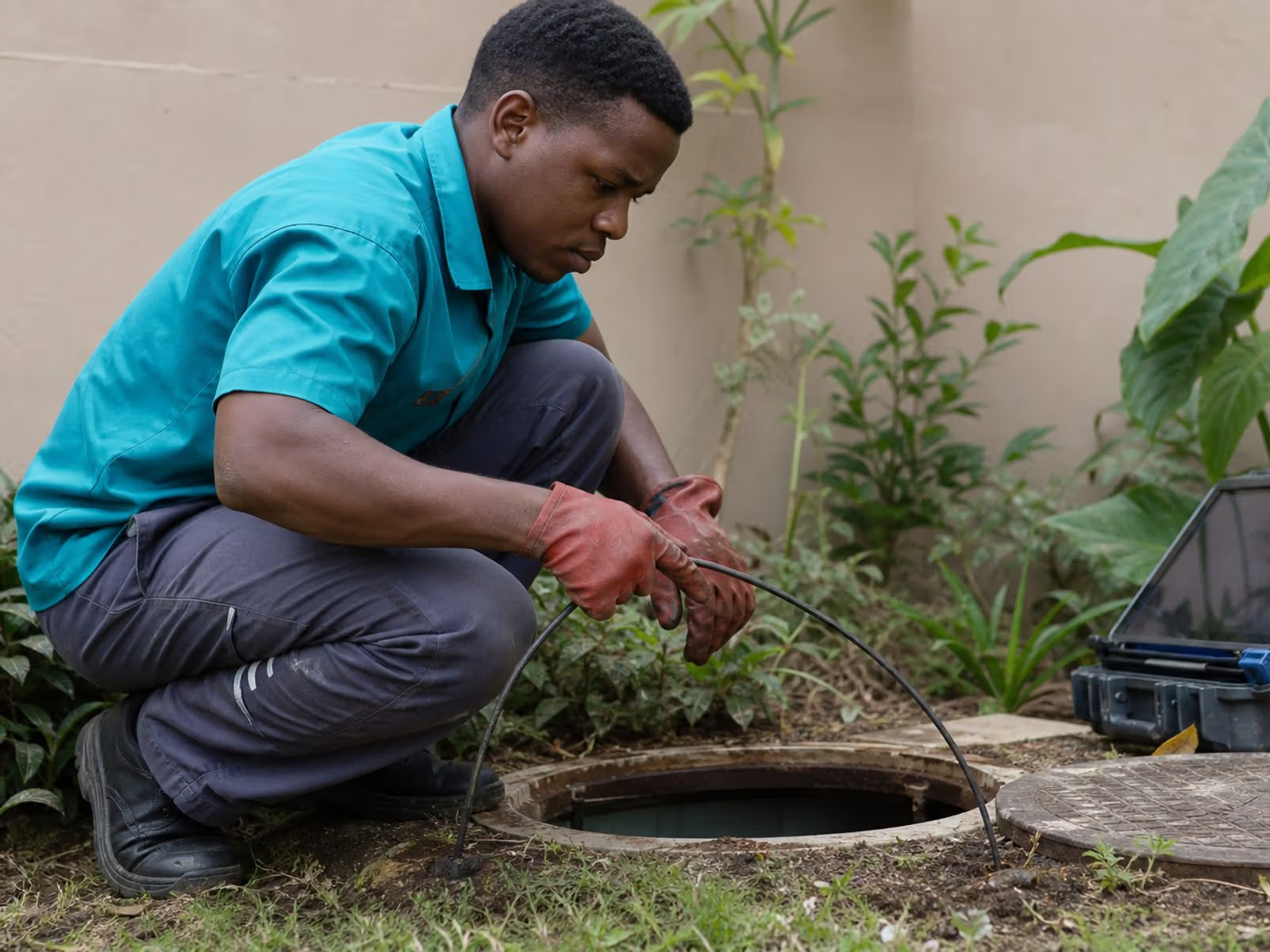
Baking soda and vinegar will fizz in a drain, but the fizz won't clear a real blockage. The reaction between the two lasts only seconds and leaves behind water and a bit of salt, neither of which grips grease, hair or tree roots. It works fine as a bit of kitchen theatre, but it can't shift anything solid sitting in the pipe. If the drain is slow because of a build-up of grease or hair, or a root pushing into an old clay line, the fizz runs straight past it and the blockage stays exactly where it was.
Why plumbers never pour baking soda and vinegar down a drain
So we skip the baking soda and vinegar trick. It doesn't fix what's actually stuck. The fizz looks like it's working, but it isn't doing the job you need.
Here's what that fizz really is: a reaction between two cheap kitchen ingredients. It bubbles up, foams a bit and runs off down the pipe. What it never does is grip the grease, hair or roots that caused the blockage in the first place.
In an older far-south house, the blockage is usually something solid sitting in a clay or galvanised pipe. A puff of foam drifting past it changes nothing. Save the vinegar for your chips. For wider background, see Prevent blocked sewers (City of Cape Town).
What actually happens when sodium bicarbonate meets acetic acid
So what makes the fizz? Baking soda is sodium bicarbonate and vinegar is acetic acid. Put them together and they cancel each other out, giving off carbon dioxide gas. That gas is the fizz you see.
Here's the catch. The reaction is over in seconds. What's left behind is mostly water and a bit of salt. Neither one scrubs anything. They slide straight past a wall of grease without touching it.
Hair works the same way. It tangles into a mat near the plughole and a wash of foam won't loosen a single strand. Tree roots are worse again. In old clay sewer lines around Lakeside and Tokai, roots push in through cracked joints and grow thick. No kitchen mix shifts a root.
The fizz entertains you for a moment, then disappears. The clog stays exactly where it was. Once you accept that, the real question is simple: what is actually stuck down there?
How to check what's really blocking your drain before you call anyone
- Watch how the water goes down. A drain that slows over days, then pools, is telling you something built up gradually, like grease or hair.
- Listen for a gurgle from another drain when you run a tap or flush. That sound means air is trapped, which points to a blockage further down the line.
- Check whether water backs up somewhere you didn't pour anything, like the shower when you use the kitchen sink. That tells you the shared pipe is blocked, not just one fitting.
- Sniff for a smell that won't shift. A steady sewer smell often points to a drain problem deeper than the plughole.
- Look at the plughole itself. A visible mat of hair near the top is a job for a drain snake, not a chemical.
- Note how many drains are affected. One slow basin is usually local. Several at once usually means the main line.
- Write down what you found before you call anyone. Our Blocked drains guide walks through these same signs, so you arrive at the call knowing what you're looking at instead of guessing.
When a blockage is yours to fix and when it's the City's problem
Here's a simple test: whose pipe is it? The line splits at your boundary. Everything inside your property is yours to sort. A blockage in the sewer under the road is different. That one goes to the City, not you.
A blocked basin, a slow shower or a clogged kitchen sink sits on your side. A plunger or a drain snake often handles these. You just need to work out what's actually caught first. A blocked gully or an inspection chamber that backs up on your stand is also yours.
The City's side starts where your pipe meets the main sewer in the street. Raw sewage surfacing in the road is their problem. So is a smell down the whole street, with several houses affected. If it's in the street or on public land, you report it to the City. You don't pay a private plumber to dig up a public line.
Knowing which side the trouble sits on saves you money and a wasted call-out. An older home on a clay line can have root trouble anywhere along the pipe. That includes the spot where your pipe hands over to the City's. Settle that spot first. Then there's no guessing about who owns the fix.

Frequently asked questions

Will a plumber rush my job just to get to the next one on their list?
A plumber who skips working out the actual blockage before grabbing tools is the one rushing, not the one taking five minutes to check how the water is draining. Reading the signs first (how it pools, where it gurgles, which drains are affected) takes a bit longer up front but means the job gets sorted properly instead of needing a second visit.
Could I get overcharged for something small, like a tap or a quick drain clear?
What drives the price on a small job is how long it takes to find the problem, what parts or tools it needs and whether it's a quick fix or something hiding further down the pipe. A dripping tap and a drain that's blocked by hair near the plughole cost differently to sort than one that turns out to be a root further down. The only way to get a real number is to have someone look at it, ideally after you've worked out what you're dealing with using the checks in this guide.
If I call someone out, will they actually arrive when they say they will?
That's really a question for whichever plumber you call, not something this guide can answer for you. What you can do is ask upfront for a time window and check in if it passes, the same way you'd check a slow drain before assuming the worst.
Is it safe to mix dish soap in with the vinegar and baking soda?
Adding dish soap to the mix doesn't make it stronger, it just adds another ingredient to a reaction that's already over in seconds. If you want to try something safe at home, hot water (not boiling) with a bit of dish soap on its own is about as far as it's sensible to go without knowing what your pipes are made of.
What stops me getting a big invoice for a job that still isn't fixed?
Knowing what's actually blocked before anyone starts work is what stops that happening. A job quoted against the wrong problem, say a plughole clean when the real blockage is a root near the boundary, is a job that comes back. Working through the checks for what's really stuck and asking what was found before work starts, is the way to avoid paying twice for the same problem.
Does it matter if I use apple cider vinegar instead of the white kind?
No, it doesn't make a difference. Both are forms of acetic acid, so they react with baking soda the same way and fizz the same way. Neither one scrubs grease, hair or roots any better than the other, because the fizz was never the part doing the work.
Ready when you are
For more on this, see Blocked drains. If you would like to talk it through, get in touch.
About the author
Related articles
-
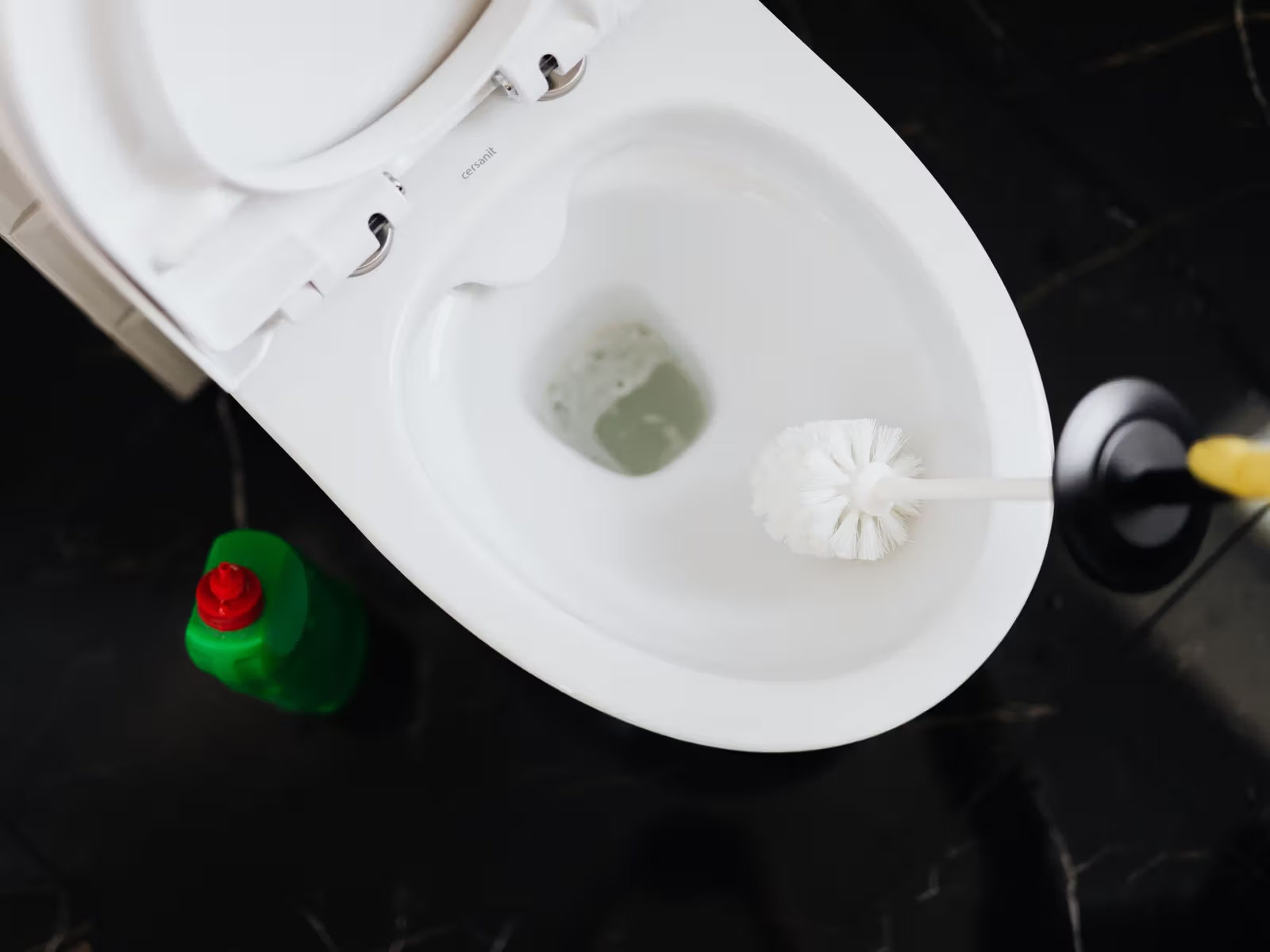
What can you pour down the toilet to unclog it
What can you pour down the toilet to unclog it from Klipspringer Plumbing in Cape Town. Straight answers, clear pricing on request and a team you can actually
Read the guide -
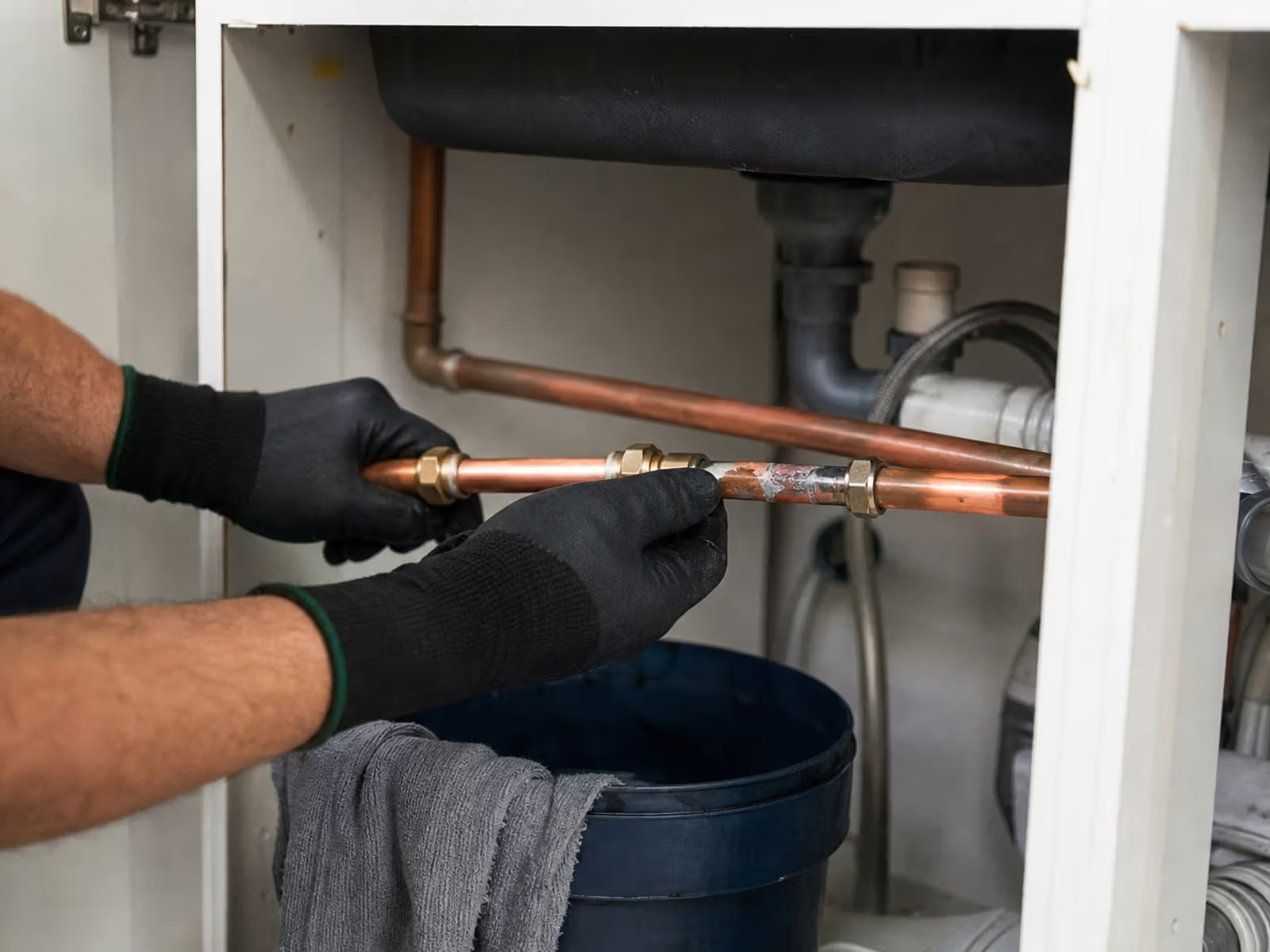
Kitchen sink drain smells bad but no blockage
Water still drains yet the sink stinks? Sewer gas is likely slipping past a dry or greasy trap. Check the trap, the vent and the waste pipe one at a time.
Read the guide