
Know whether your slow drain will sort itself out
A slow drain in an older Fish Hoek or Kalk Bay home can clear on its own, or it can be warning you. You can learn to tell which.

By Zaid Petersen, Owner and master plumber
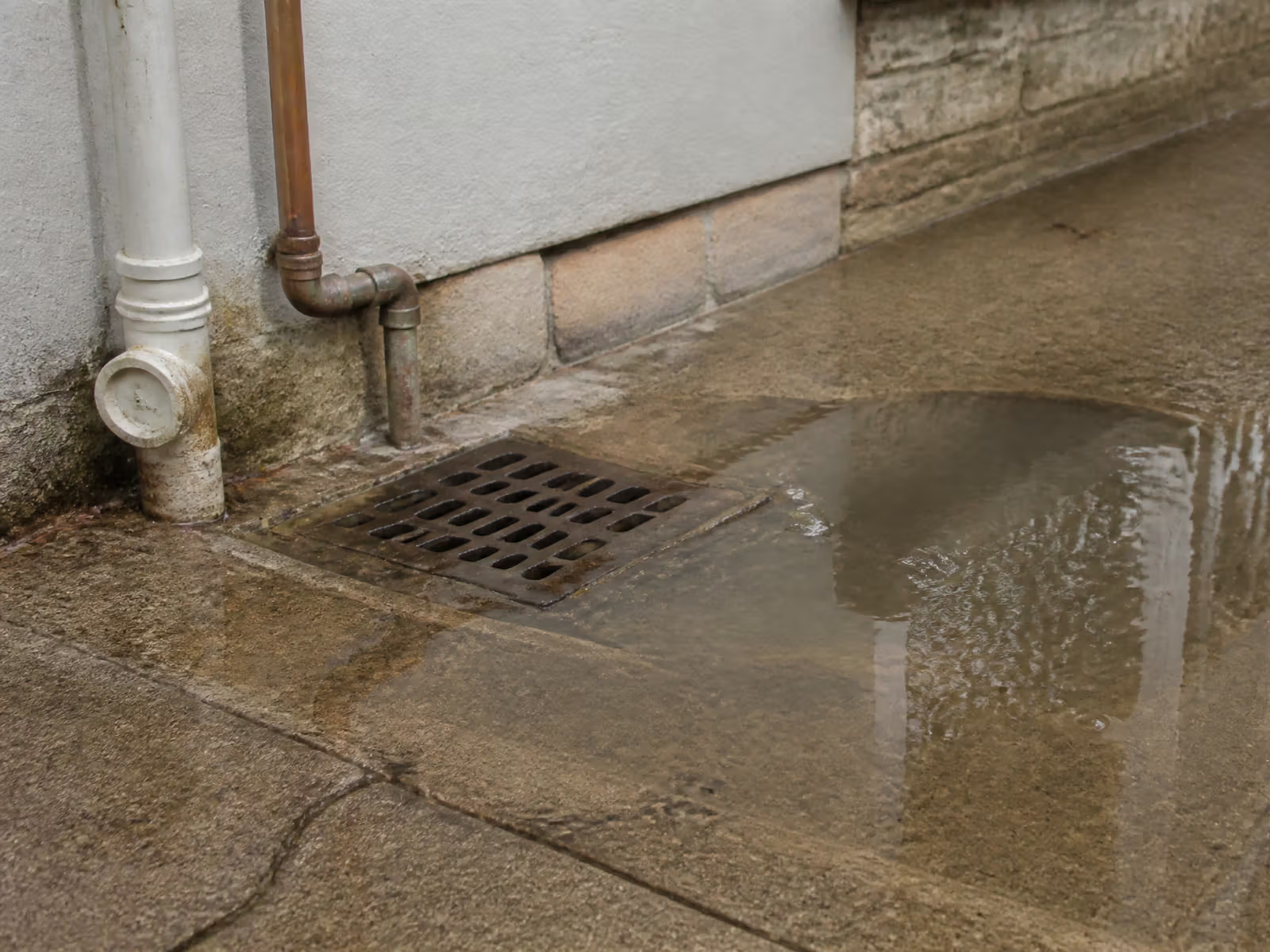
Sometimes, but not always and the difference comes down to what's causing it. A soft clog of hair or soap near the plughole can ease on its own or with a plunger and some hot water. A narrowing caused by scale in an old pipe, or a root growing into a cracked sewer line, will not clear by itself, even if the drain seems to speed up for a day or two. The real test is whether it keeps coming back. If one drain stays slow, or several drains start backing up at once, that points to a cause further down the line that waiting will not fix.
Is it your pipe, the sewer or the stormwater drain?
Which system is blocked? Work that out first. It changes everything you do next. A slow drain in your home can be your own pipe, the City's sewer line or the stormwater drain out in the road. Each one behaves differently. Each one is a different person's job to fix.
Start with where the water sits. If one basin or the shower drains slowly but everything else is fine, the blockage is almost certainly on your own side. In older homes around Lakeside and Tokai, that often means the original galvanised pipe has narrowed inside. Water squeezes through a smaller gap than it used to.
Now run a tap and listen to the other drains. Water backing up in a different place, or a gurgle from the toilet when you empty the sink, points past your own pipe toward the shared sewer. That shared line is the City's responsibility, not yours.
The stormwater drain is the third one. It only carries rain. If it slows after a wet night and your indoor drains are fine, you are probably looking at leaves and grit in the road grate. The City clears that. Knowing which of the three you have tells you whether to wait, report it or get someone to look properly.
Four checks to make before you decide to wait
- Fill the basin or bath, then let it all go at once. Time how long it takes to drain. A record of the speed today lets you see tomorrow whether it is easing or getting worse.
- Run a tap somewhere else in the house. Watch and listen. A gurgle or water rising in another drain tells you the problem reaches past your own pipe.
- Check whether more than one drain is slow at the same time. One slow drain is usually a local blockage, but several at once points to the main line.
- Lift the drain cover in the yard if you can reach it safely and look. Clear water flowing through means your side is fine. Water standing in the chamber means the blockage sits further down the line.
What home remedies and a hard downpour can actually do
Near the plughole, simple tools still do real work. A plunger shifts a soft clog in a toilet or sink. A snake hooks the hair and soap that gathers just below the drain cover. That is where home remedies earn their place. For a fuller walk through the safe home steps, our guide on blocked drains sets out what each tool does and how far you can push it.
Baking soda and vinegar is the one worth being honest about. It fizzes. The fizz looks like it is doing something, but the reaction is chemistry, not a scrub. It will not grind through the grease and grit packed into an old pipe. Hot water and a little dish soap go a bit further. Boiling water can warp some pipes though, so keep it hot rather than rolling.
Rain only helps in one specific case. When the stormwater drain in the road is sluggish with leaves, a heavy Cape winter rain can flush the grate clear on its own. The same rain does nothing for a blockage inside your house. Your indoor pipes never see it. So a wet night that frees the road drain still leaves a slow basin exactly as slow as before. For wider background, see Prevent blocked sewers (City of Cape Town).
Why a blockage that eases off can still need attention
A drain that speeds up again has not always cleared. Often the blockage has only shifted or partly broken up, so water finds a way past for now. The narrowing is still there. It fills in again. This is why a drain that seemed fixed on Monday is slow once more by the weekend.
In the older homes around Fish Hoek and Kalk Bay, the cause is often something a plunger can never reach. Tree roots work into a cracked clay sewer line and keep growing back. Scale builds up inside galvanised pipe year after year. A home remedy buys you a day or two. It does not undo decades of narrowing.
Decades of narrowing bring the whole page down to one choice. If one drain is slow and eases with a plunger, you can watch it a while. If several drains gurgle, water backs up where you poured nothing or a smell will not shift, the sensible move is to stop waiting. At that point a camera down the line shows the real cause on a screen, so nobody guesses and nobody digs up the garden to find out.
Frequently asked questions

How long does a slow drain normally take to clear by itself?
There's no set time and that's the honest answer. A soft clog near the plughole can ease in a day or two with a plunger or hot water. A narrowing from scale or a root in an old clay line will not clear on its own, no matter how long you wait. If it's still slow after a few days, that's your answer.
At what point should I stop waiting and call someone in?
Stop waiting once more than one drain is slow at the same time, water backs up where you poured nothing or a smell keeps coming back. Those are signs the blockage sits further down the line than a plunger can reach. One slow basin that's easing is fine to watch a bit longer.
If I do call someone, will they actually turn up when they say they will?
That's a fair thing to ask about any plumber and it's worth checking reviews and asking for a time window before you book. What you can check for yourself is whether they confirm a time in writing, by text or WhatsApp, rather than a vague 'some time today'.
Will they rush the job because they've already got another one lined up?
A rushed job usually shows up as a re-blocked drain within a week, so it's worth asking upfront how the diagnosis will be shown to you, not just told. A camera down the line that shows the actual blockage on a screen is harder to rush past than a guess.
Could I end up with a big invoice for work that doesn't even fix the drain?
The real cost drivers are how far down the line the blockage sits, whether it's a simple clog or a root or scale problem and whether a camera inspection is needed to see it properly. The only way to get a real number is to have someone look at your specific drain, since a blockage in a Fish Hoek galvanised pipe and one in a Kalk Bay clay sewer line are not the same job.
Will I be overcharged for something as small as one blocked drain?
What drives the price on a small job is usually just how accessible the drain is and whether it clears with basic tools or needs a camera to find the cause. Get someone to look at the actual drain and give you a number for that job, not a guess over the phone and you'll know where you stand before anything starts.
Ready when you are
For more on this, see Blocked drains. If you would like to talk it through, get in touch.
About the author
Related articles
-
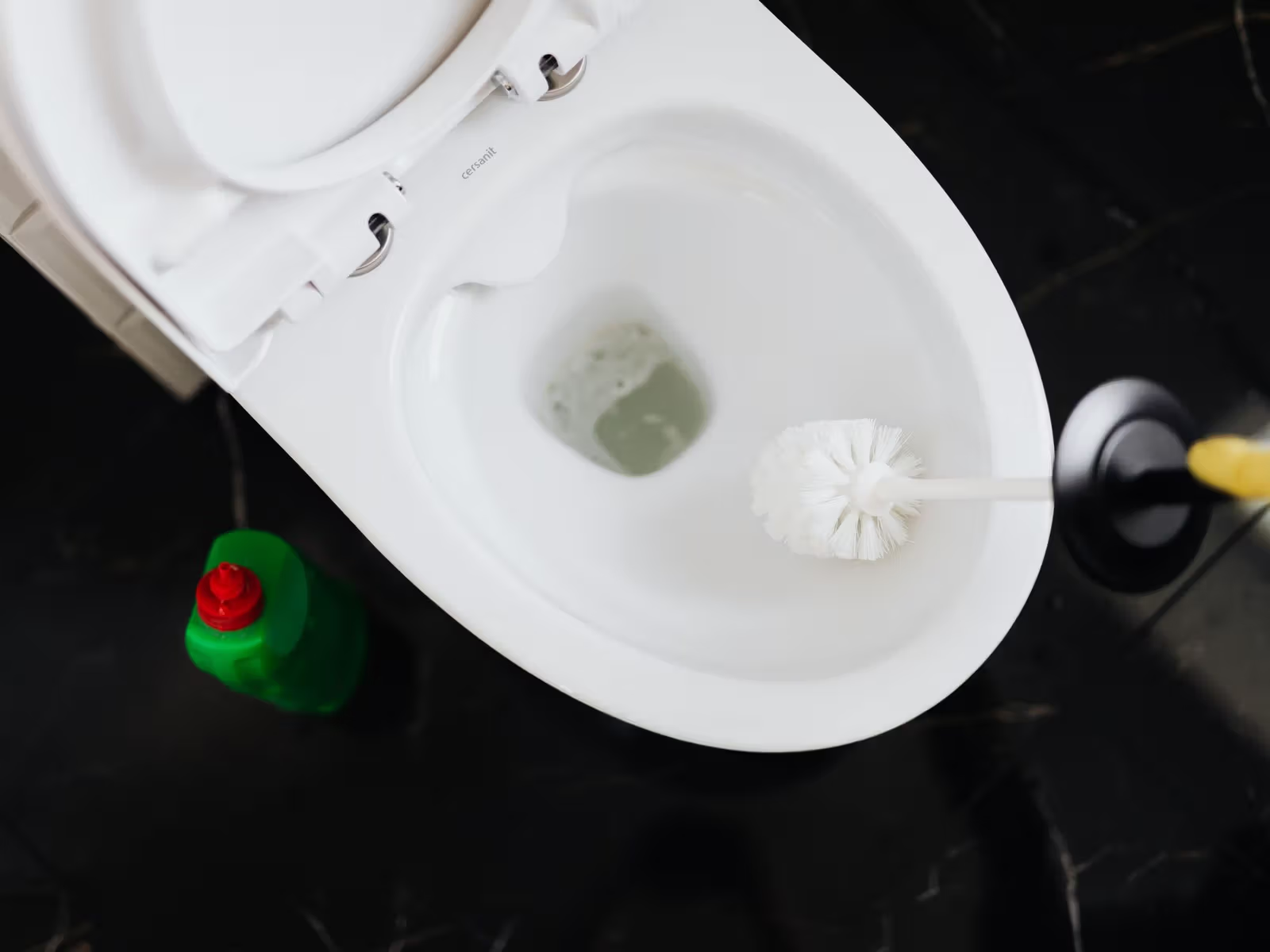
What can you pour down the toilet to unclog it
What can you pour down the toilet to unclog it from Klipspringer Plumbing in Cape Town. Straight answers, clear pricing on request and a team you can actually
Read the guide -
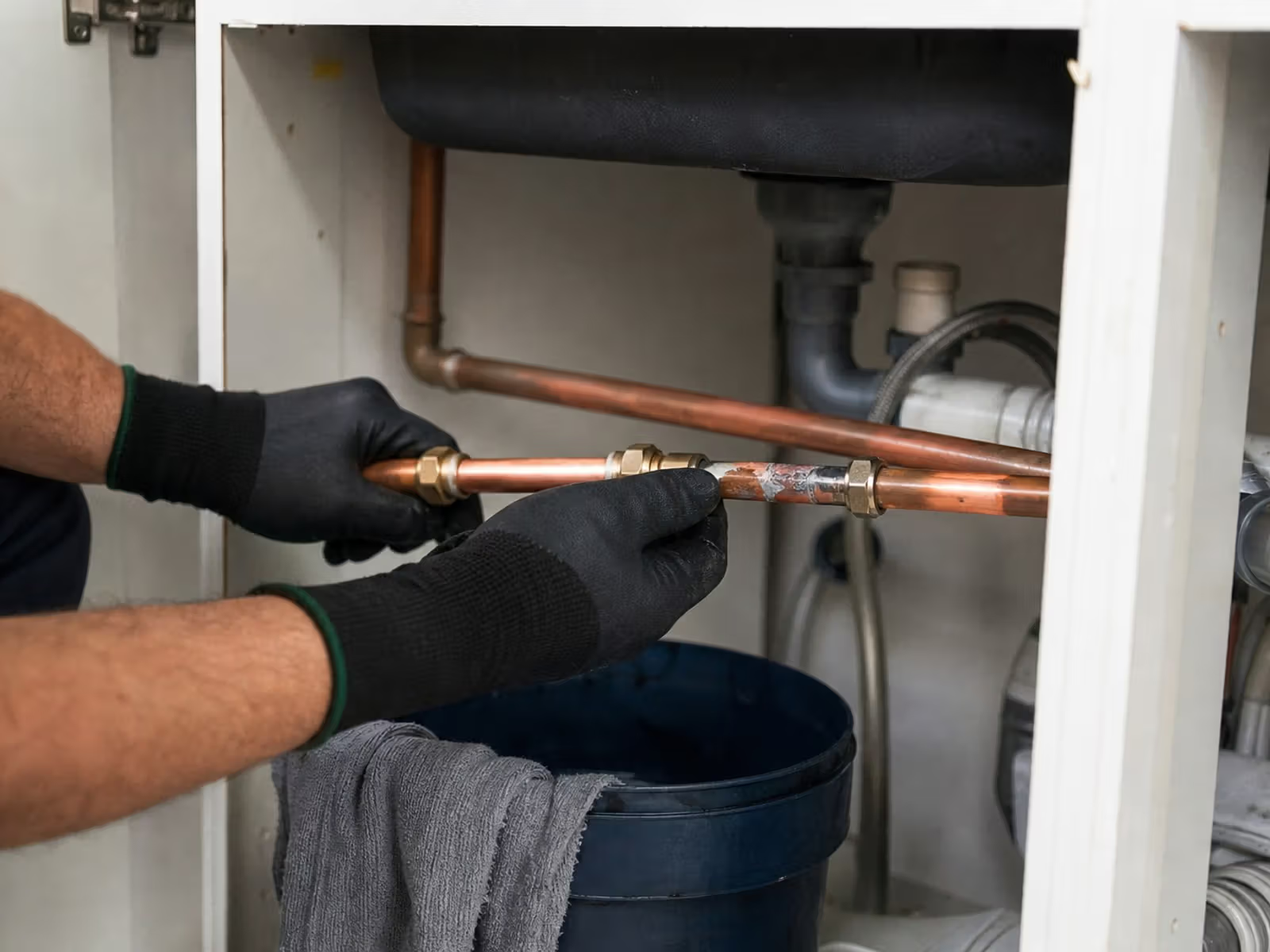
Kitchen sink drain smells bad but no blockage
Water still drains yet the sink stinks? Sewer gas is likely slipping past a dry or greasy trap. Check the trap, the vent and the waste pipe one at a time.
Read the guide