
Know who pays before your next water bill shocks you
If a hidden leak just pushed your bill up, this shows you who carries the cost. You, your tenant or the City. No surprises. You know where you stand before you call anyone.

By Zaid Petersen, Owner and master plumber
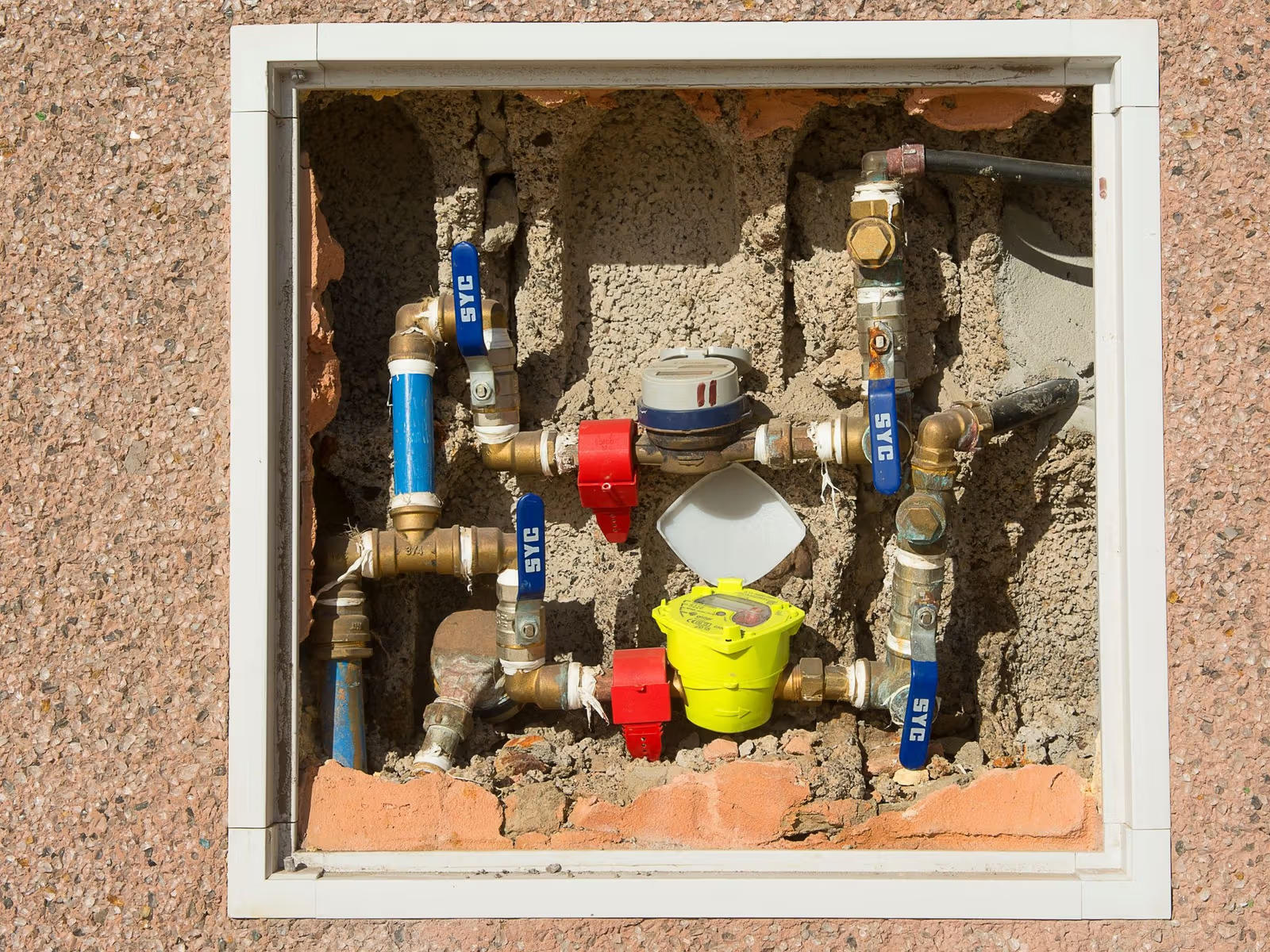
You pay for a leak on your side of the water meter, even one you never saw, because the City bills whatever passes through the meter. The City only steps in through a rebate and only once you can show the leak was hidden and that it caused the spike.
- Your side of the meter, from stopcock to geyser, is your usage and your bill
- A visible leak left unfixed will not qualify for a rebate
- A hidden leak can qualify if you prove it with meter readings, a repair invoice and photos
- The rebate is applied for. It is never automatic
Why the City holds property owners responsible for leaks
The City of Cape Town owns the water meter. Only the City or its appointed contractors may work on it. But once water crosses onto your property, the plumbing and any leaks become the owner's responsibility. That line matters. Everything on your side of the meter, from the stopcock to the geyser, is your water and your bill.
So a leak behind a wall or under the slab still counts as your usage, even though you never saw a drop. The meter keeps turning. The City reads the number and bills it. It does not ask whether the water reached your tap or soaked into the ground.
Old galvanised pipes make this worse. If your home still has its original ones, they pinhole as they age. A slow leak in one of them can run for weeks before a single sign shows up on the wall.
Worth knowing: being responsible for the bill is not the same as having no way out. Before you argue about cost, you need to prove a leak is the cause. That starts at your own meter.
How to test your own meter for a hidden leak
- Turn off every tap inside and outside the house and switch off the washing machine and dishwasher too.
- Go to your water meter at the boundary, lift the lid and find the dial or the small red triangle.
- Write down the exact reading, every digit.
- Leave the house for an hour and use no water at all in that time, so no flushing and no quick rinse.
- Read the meter again and compare the two numbers.
- If the reading moved with everything off, water is going somewhere and that points to a leak on your side of the meter.
- For a longer check, read the meter last thing at night and again before anyone wakes. The two should match if nothing leaks.
When an underground leak can qualify for a rebate
A hidden leak can earn you a rebate from the City. You need to show three things: the leak was out of sight, you fixed it and your usage jumped because of it. A dripping tap you watched and ignored will not count. A pipe buried under the driveway often does.
The City looks at the gap between your normal usage and the spike. Say your bill jumps from a steady amount to several times that, with no change in how you live. That pattern supports your case. Your meter test is the first piece of evidence that something ran unseen.
The rebate is not automatic. You have to apply and you have to back it with proof. So the pipe gets fixed first and the paperwork gets kept second. The repair date and the drop in usage afterwards are what hold the application together.
In practice, the leak itself is the easy part. The harder bit is having the right records ready when you lodge the query.
What to keep ready if you want to query your bill
Get three things ready before you query a bill: your two meter readings, a dated invoice for the repair and clear photos of the fault. Together they tell the City one story. A pipe leaked. You fixed it. Your usage returned to normal.
Photos of the leak before and after the repair carry real weight. They show what was wrong. They show that the work actually happened. A proper invoice should match the quote, with the repair date on it. That date lines up with the drop on your meter. When the pieces agree, you are not asking the City to take your word for it.
Want the official steps for lodging the query? The City of Cape Town lets you query or dispute a municipal account. It helps to have a copy of the account, proof of ID and your business partner number ready. Want to narrow down the leak first? Our Finding a water leak page walks through checking the meter first, then isolating sections of the house one at a time.
With your readings, your invoice and your photos in hand, you can query the bill yourself. Or hand the whole file to a plumber to sort out. Either way, you go in knowing the numbers. No shock, no guessing, nothing dressed up. For wider background, see Water meter readings (City of Cape Town).

Frequently asked questions

How do I dispute a water bill with the City of Cape Town?
You lodge the query through the City's own channels and they decide it, not us. What helps your case is having your meter readings, your repair invoice and your photos ready before you contact them, so you are not scrambling for proof after the fact.
What should I do if my water meter itself seems to be leaking?
A leak at the meter box, a wet patch right at the boundary wall or water pooling under the cover, is different from a leak in your own pipes. That one is often the City's line, not yours, so it is worth reporting to them directly rather than assuming the bill is your problem to fix.
How do I actually read and understand my water bill?
Look for the current reading, the previous reading and the difference between them, which is what you are billed for. Compare that gap against your usual bill from a few months back. A sudden jump with no change in your household is the number worth questioning.
If I call a plumber for this, will they rush the job to get to the next one?
A leak behind a wall or under a slab takes time to trace properly and rushing it just means guessing. A plumber who explains what they are checking and why is worth more than one who is in and out in ten minutes.
Could I end up with an invoice that doesn't even fix the leak?
It can happen if the job stops at a patch instead of the actual source. An invoice with a clear description of what was found and fixed, alongside photos of the fault, is what lets you check the work matches the problem you started with.
Will a plumber actually turn up when they say they will?
That comes down to who you call, not the leak itself. Ask upfront how they confirm appointment times, so you know before the day arrives rather than finding out by waiting around.
Ready when you are
For more on this, see Finding a water leak. If you would like to talk it through, get in touch.
About the author
Related articles
-
Plumbing checks before buying a house in Cape Town
What a plumbing check sees on the day, and what it can't reach
Read the guide -
What is the most common cause of a dripping faucet
Why your tap drips and which worn part is really to blame
Read the guide