
Why your tap keeps dripping and what actually fixes it
A few drops a second usually means one worn part is giving up, not that you need a whole new tap. Here's how to work out which part it is, before you call anyone. For older far-south homes.

By Zaid Petersen, Owner and master plumber
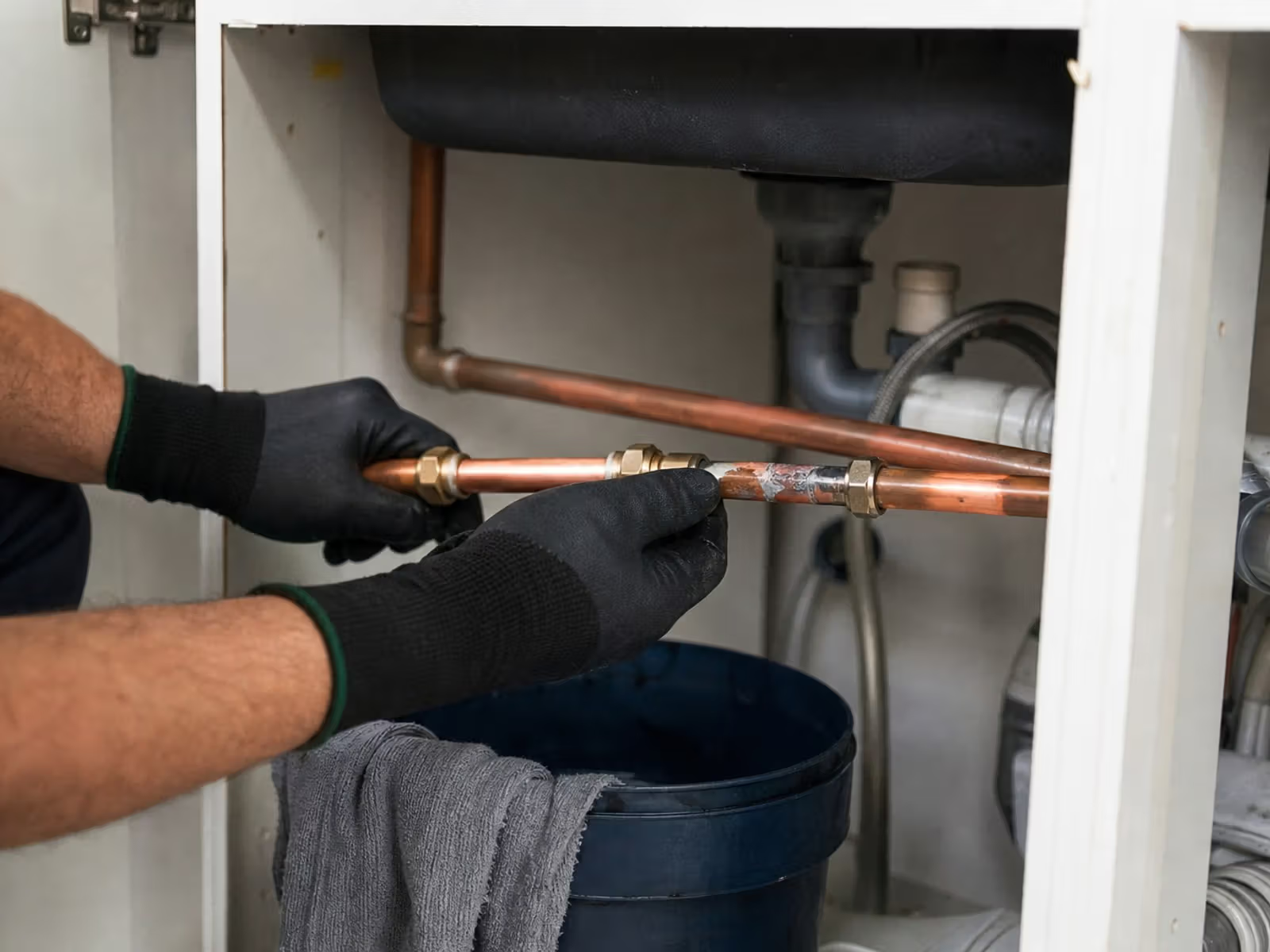
The most common cause of a dripping faucet is a worn part inside the tap itself, not a fault with the tap as a whole.
- Washer: a rubber seal that hardens and flattens with age, letting drops past
- Cartridge: found in mixer taps, it wears or picks up grit and stops sealing fully
- O-ring: a thin rubber ring that lets water seep round the handle or spout If several taps start dripping together, water pressure is the more likely cause, not several worn parts at once.
The worn washer, cartridge or O-ring behind most dripping taps
Most dripping taps come down to one small worn part inside the tap, not the whole tap and not the pipes. Just a rubber washer, a cartridge or an O-ring that has worn thin over the years.
What is the most common cause of a dripping faucet? The usual suspects are three small parts:
- The washer. A rubber disc that seals the water off when you close the tap. It hardens and flattens with age, so a few drops sneak past.
- The cartridge. On mixer taps, this controls the flow. Grit and wear stop it sealing fully.
- The O-ring. A thin rubber ring that stops water escaping round the handle or spout.
In a pre-1980 house in Kalk Bay or Fish Hoek, these parts have had decades to go hard and brittle. A tap can drip for one simple reason: the rubber inside gave up. You're looking at a part worth a few rand, not a tap worth a few hundred.
But sometimes it's not one tap. Sometimes a whole row of them starts dripping at once and that points somewhere else entirely. For wider background, see DIY Guide to Finding and Fixing Water Leaks (capetown.gov.za).
Why every tap in the house can start dripping at once
So one tap is a worn washer. A whole row dripping is pressure. Water pressure that sits too high pushes past seals that were coping fine before.
High pressure wears every washer in the house at the same rate. So the kitchen tap, the bathroom basin and the outside tap can all start weeping within weeks of each other. The parts aren't the real problem. The force behind the water is.
Older homes often have a pressure-reducing valve near the water meter. When it fails, the whole house takes the strain. You feel it as taps that drip, toilets that run on and a geyser that groans more than it used to.
The short answer: one dripping tap points to a worn part. Many dripping taps point to pressure. Checking the meter tells you which.
How to check whether a drip is a bigger leak hiding in the pipes
- Turn off every tap in the house and switch off the geyser. Nothing should be drawing water.
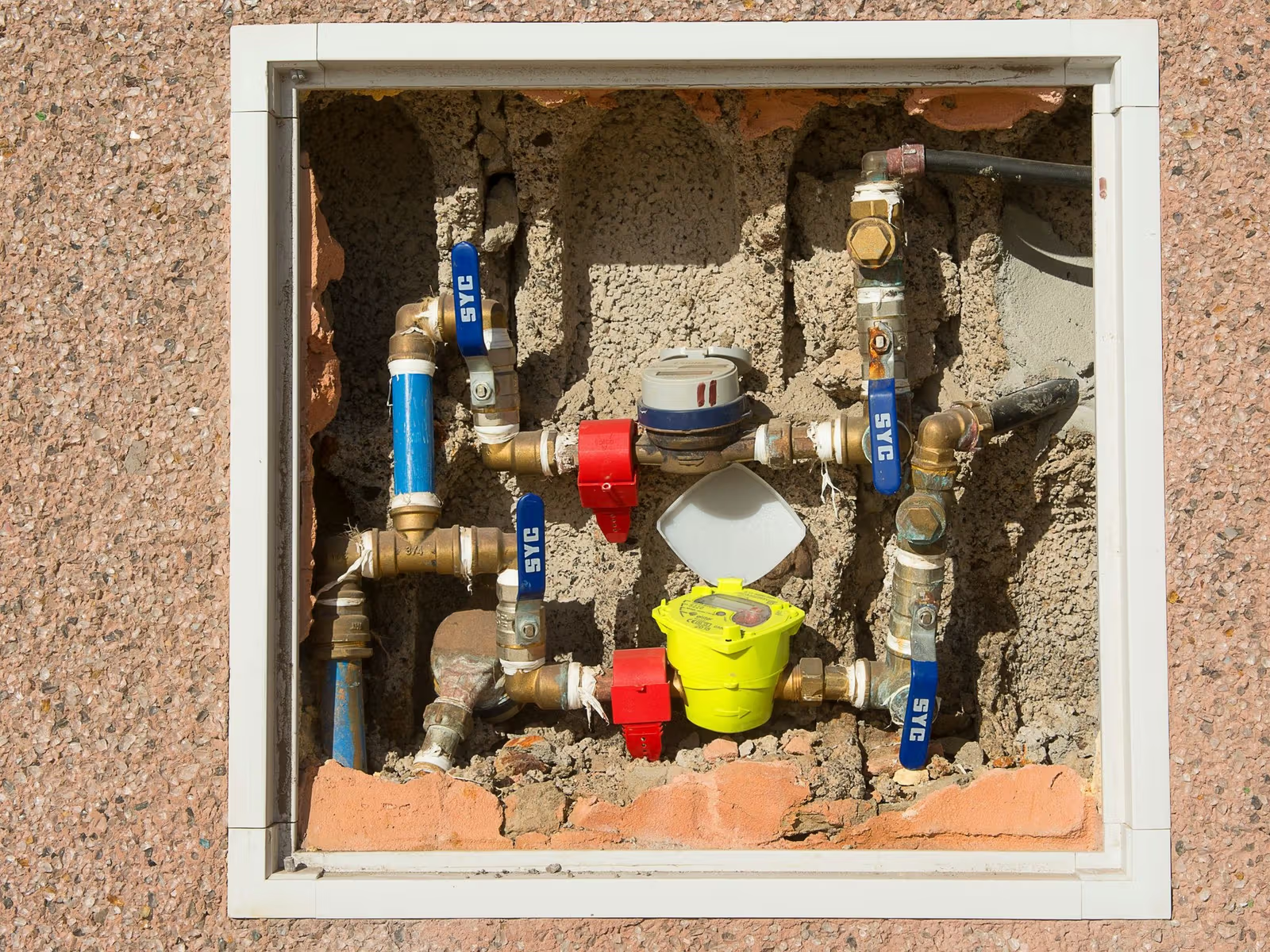
- Find your water meter, usually in a box near the kerb or boundary wall.
- Note the reading, down to the last small dial or digit.
- Leave it 30 minutes to an hour. Don't flush a toilet or run anything.
- Read the meter again and compare it to the first number.
- If the number has moved with everything shut, water is escaping somewhere you can't see.
- Check the easy spots first. a toilet quietly running, a dripping outside tap, a damp patch on a wall or ceiling.
- If nothing is visible and the meter still turned, the leak is likely in the pipes under the floor or behind a wall.
What a dripping tap actually costs you in wasted water
A pipe hidden under the floor is the worst kind of leak. A tap dripping once a second wastes thousands of litres a year. On a Cape Town water bill, those few drops add up to real money over the months. That happens long after you've stopped noticing the sound.
A worn washer wastes a little. A hidden pipe leak wastes far more. It runs day and night with nobody there to hear it. Your meter keeps turning while you sleep. The bill climbs for water that never reached a tap.
So the drip isn't the whole story when your meter check showed the number moving with everything shut. A leak detection service traces where the water is going. It uses acoustic and thermal gear rather than digging up the garden to guess. Worth knowing before a small bill quietly becomes a large one.
Frequently asked questions

Do you need to call a plumber for a dripping tap, or can you fix it yourself?
A worn washer, cartridge or O-ring is often something a confident DIYer can swap out with the right parts and the water off at the stopcock. Where it gets tricky is when the drip comes back after you've replaced the part, or you're not sure which part it even is. That's when a second pair of eyes saves you buying the wrong bit twice.
Is a dripping tap actually something to worry about?
On its own, no. A single tap dripping is usually just a tired washer and nothing to lose sleep over. It's worth paying attention to if the drip won't stop after a repair, if more than one tap starts doing it or if your water meter still ticks over with every tap shut, since those point to something bigger than one worn part.
Why does a tap still drip even after you've shut the valves underneath it?
If the isolation valve under the tap is old, it may not be sealing fully any more, so water still creeps past even with it closed. Mineral build-up inside an old valve is often the cause in a house with original plumbing. In that case the valve itself needs attention, not just the tap above it.
Will a plumber actually turn up when they say they will?
That's a fair thing to ask any plumber before you book, not just us. Ask directly what time window they're giving you and whether they'll message if that changes. A plumber who's upfront about timing on the phone is usually upfront about it on the day too.
Could you end up with a big invoice for a job that still isn't fixed?
That's exactly what you want to avoid and it comes down to getting a proper diagnosis before any work starts. Checking the meter yourself, as we walked through earlier, gives you a sense of whether you're dealing with a small part or a hidden leak, so you're not caught off guard by what a quote covers.
Will you be overcharged for something as small as a dripping tap?
A dripping tap is usually one of the smaller jobs a plumber deals with, since it's a part swap rather than pipework. What it costs depends mostly on which part has failed, whether the tap is an old style that needs a less common washer and whether the valve underneath also needs attention. A quote before any work starts is the only way to know the number for your tap.
Ready when you are
For more on this, see Finding a water leak. If you would like to take this further, Leak detection is the place to start.
About the author
Related articles
-
How to tell if your house has a hidden water leak
A few minutes with the meter tells you if water is running when it should not be.
Read the guide -
Who pays when a leak pushes up your water bill
See whether a leak on your side of the meter is pushing up your bill and who pays.
Read the guide -
Plumbing checks before buying a house in Cape Town
What a plumbing check sees on the day, and what it can't reach
Read the guide