
Know which water saving fixes are worth doing in your home
Which water saving fixes actually cut your bill and which just feel good? Test before you spend, so you pay for the ones that work in an older far-south home.

By Zaid Petersen, Owner and master plumber
The best water saving ideas start with ruling out a hidden leak, since no amount of shorter showers fixes water escaping behind a wall.
- Test the meter first: close every tap, wait 15 minutes and check if the dial still moves
- Fix the cheap things next: a worn toilet valve, a dripping tap washer or an old showerhead
- Adjust outdoor habits: water early or late, mulch the beds and cover the pool
- If the meter moved with everything off, treat that as a job for someone who can trace it, not a habit to break
Find out if you already have a hidden leak
Start with your meter, not a new tap. If the meter is turning while every tap is closed, water is escaping somewhere you can't see and no shower timer will fix that.
The City of Cape Town has a simple test for this. Turn off every tap, the geyser and anything using water. Then read the meter, wait 15 minutes without touching a thing and read it again. A number that moved means water is moving when it shouldn't be.
In an older house in Muizenberg or Fish Hoek, that moving meter often points to tired galvanised pipe behind a wall or under the slab. You hear nothing and see nothing, yet the bill climbs month after month. If you want to understand how a leak stays hidden like this, our page on finding a water leak walks through the early signs, like a soft patch of paint or a musty smell near a wall.
Worth knowing: a leak draining money quietly costs you far more than any dripping showerhead. Rule it out first.
Where the easy savings are: showers, taps and toilets
Once the meter says you're leak-free, the real savings live in three fixtures you touch every day. Showers, taps and toilets account for most of the water a household uses, so small changes here add up fast.
Start with the toilet, because it hides the biggest waste. A worn flush valve lets water trickle into the bowl around the clock. Drop a little food colouring in the cistern, wait ten minutes without flushing and if colour creeps into the bowl the valve is leaking. That fix often saves more than any new gadget.
Showers come next. An old showerhead can pour out far more than a modern low-flow one and swapping it is a ten-minute job with no plumber needed. For taps, a worn washer causing a steady drip wastes litres a day and a new washer costs almost nothing. Fix the drip before you buy anything clever.
The honest truth: a R20 washer often beats a R2 000 device. Spend where the water is actually going.
Saving water outside: the garden, the pool and the car
The garden drinks more water than anywhere else outside the house. In a Cape Town summer, that thirst doubles. Water early in the morning or after sunset. Less evaporates in the heat that way, so more reaches the roots where it counts.
Mulch around your beds holds moisture in the soil. It cuts how often you water. Indigenous and water-wise plants need far less than a thirsty green lawn. They cope better too, when the dams run low. A rainwater tank off your roof gives you free water for the garden through the wet months.
A pool loses water to evaporation every warm day. A cover slows that right down. For the car, a bucket and sponge use a fraction of what a running hose does. These outdoor habits are easy wins. None of them matter, though, if a hidden leak is still draining your meter behind the scenes.
In practice, the garden is where good habits pay off most. Start there once the house is sorted. For wider background, see Simple ways to save water in your home (Western Cape Government).
Which fixes matter most for an older Cape Town home
In a pre-1980 home across Fish Hoek, Kalk Bay or Tokai, the single biggest fix is almost always the pipes themselves. Habit changes and new washers help. But tired galvanised plumbing that's started pinholing will keep leaking no matter how short your showers get.
Order matters here. Do the free stuff first: run the meter test, swap a worn washer, fit a low-flow showerhead. If the meter test flagged water moving with everything closed, that's not a habit problem. No tip list will solve it.
Hidden pipes are a job for Leak detection. We trace a leak with acoustic listening and a thermal camera. That way we find it without breaking tiles or digging up the garden first. Our Leak Hunt visit works through four checks. We start with the meter, then isolate the hot and cold sides, listen for escaping water and scan the wall with a thermal camera. You get a written report with photos on WhatsApp. As a PIRB registered licensed plumber, we'd rather find the one real fault than sell you a shelf of gadgets you don't need.
The short version: test before you spend, fix the cheap things, then call for the pipe you can't see. For further reading, see Water saving tips (South African Government).
Frequently asked questions

Will whoever checks my leak rush off to the next job and miss something?
A proper check works through the meter, the hot and cold sides, listening for the sound of escaping water and a thermal scan of the wall, in that order. Rushing any one of those steps is how a fault gets missed, so ask what the visit actually covers before you book it.
Could I end up paying for work that doesn't actually fix the leak or cut my bill?
That's exactly why the meter test matters first. If the meter still turns with every tap closed, the problem is a hidden leak, not a habit and no amount of showerhead swapping or timer-fitting will touch your bill until that leak is found and fixed.
Will someone actually turn up when they say, or am I left waiting around?
Reliability is really about what happens before anyone arrives, not just the knock on the door. A clear WhatsApp message with a photo and a quote upfront, before a van is sent out, tells you the visit is being taken seriously rather than slotted in whenever.
Will I be charged a lot just to check a small drip or a single tap?
What drives the cost here is really the scope of the check, not the size of the drip: whether it's one tap with a worn washer or a full meter-to-wall trace with acoustic and thermal gear. A single dripping tap is often a cheap fix you can do yourself with a new washer. For anything your own meter test flags as ongoing, get in touch with what you've found so we can take a look and work out what's really going on.
If I need to claim on insurance for a leak, will I get the paperwork I need?
Insurers generally want to see what was found and what was done, so photos of the fault and photos of the repair are the paper trail that matters. Keep whatever record you're given from the meter test onward, since that's what ties the claim to an actual fault rather than a guess.
If I call about a leak, will I actually hear back or just sit on hold?
A message with a photo and a short note on what you've noticed is usually quicker than a phone queue, since it gives whoever reads it something concrete to respond to. Whether you hear back fast often comes down to how much detail you send in that first message.
Ready when you are
For more on this, see Finding a water leak. If you would like to take this further, Leak detection is the place to start.
About the author
Related articles
-
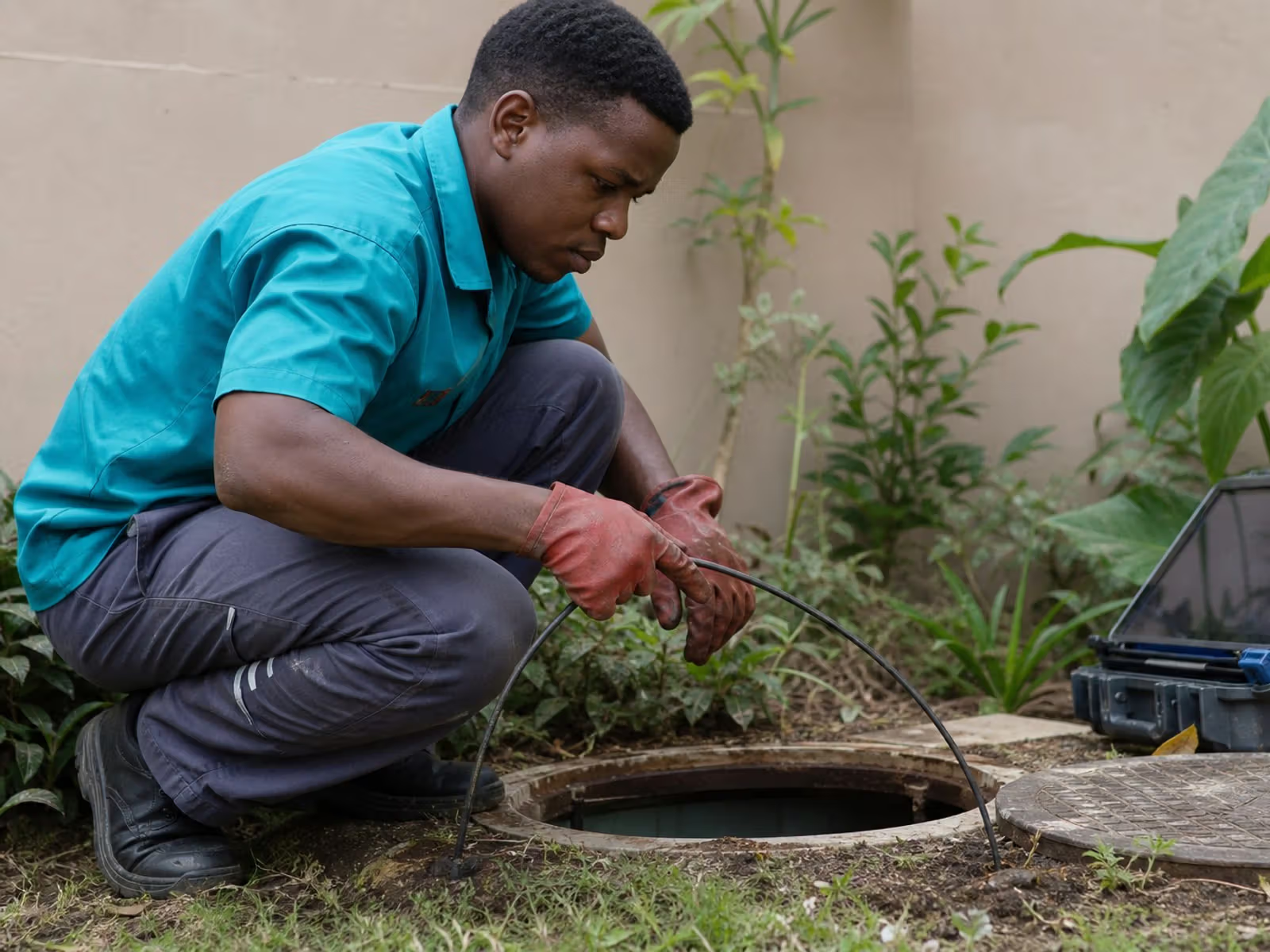
How to tell if your house has a hidden water leak
A free 15-minute meter test that shows if water is running somewhere it shouldn't.
Read the guide -
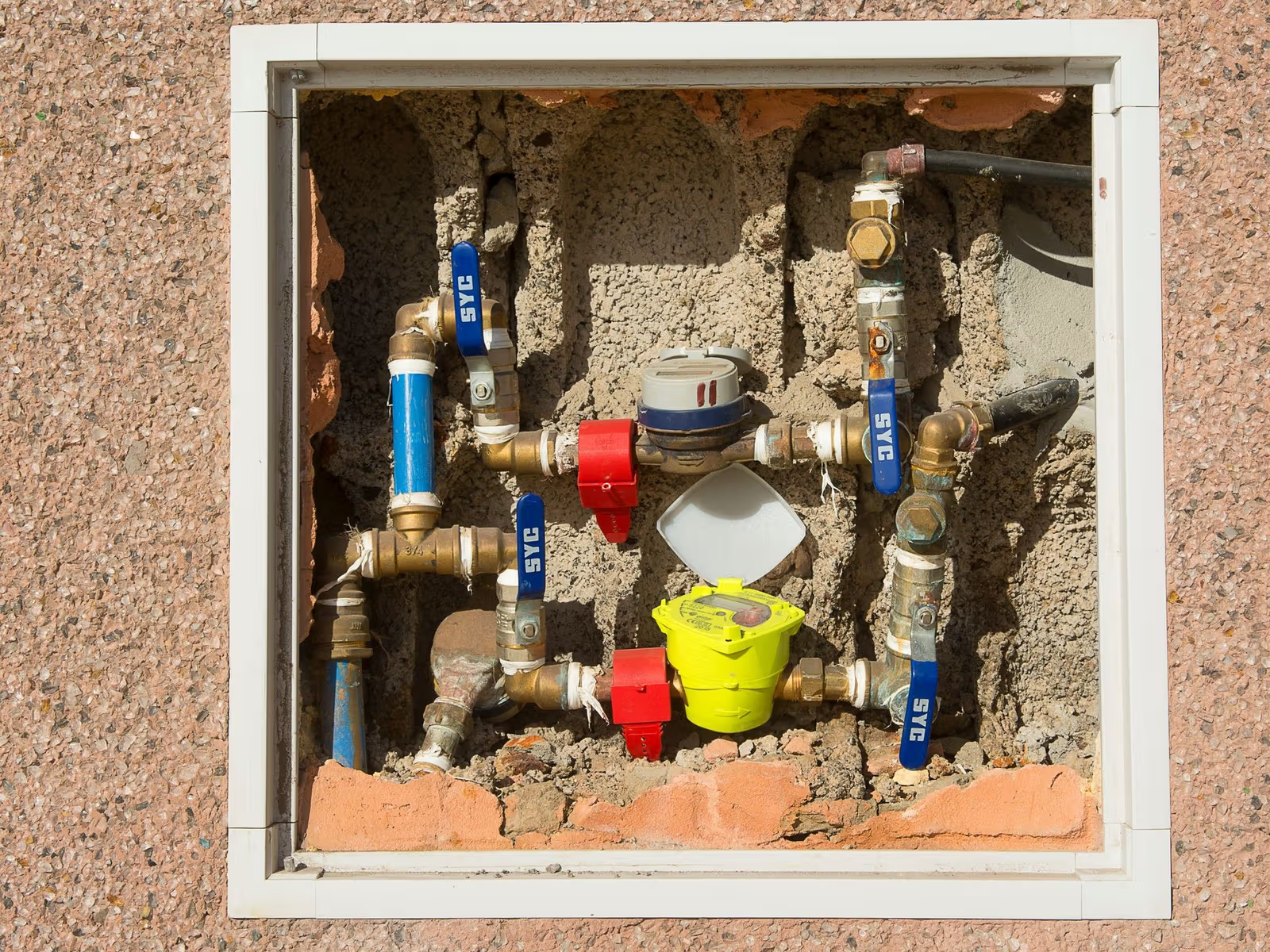
Who pays when a leak pushes up your water bill
Shows who pays for a hidden leak, you, your tenant or the City, and how a rebate works.
Read the guide -
Plumbing checks before buying a house in Cape Town
What a plumbing check sees on the day, and what it can't reach
Read the guide